Why Learn How to Start a Podcast
Podcasts are a powerful way to reach an audience with a personal voice. They work well for education, storytelling, marketing, and community building.
This guide gives clear, practical steps to start a podcast without technical overwhelm. Follow each section to move from idea to published episode.
Plan Your Podcast: Concept and Format

Define your podcast topic and target listener first. A focused niche helps you attract a loyal audience faster.
Decide format and length. Common formats include solo episodes, interviews, co-host conversations, and documentary-style series.
Steps to plan your first episodes
- Pick a clear topic for the season or series.
- Plan 6–10 episode titles and brief outlines.
- Choose episode length (15, 30, or 60 minutes) and publishing frequency.
Equipment and Software Essentials
You don’t need expensive gear to start. Good audio quality matters more than costly equipment.

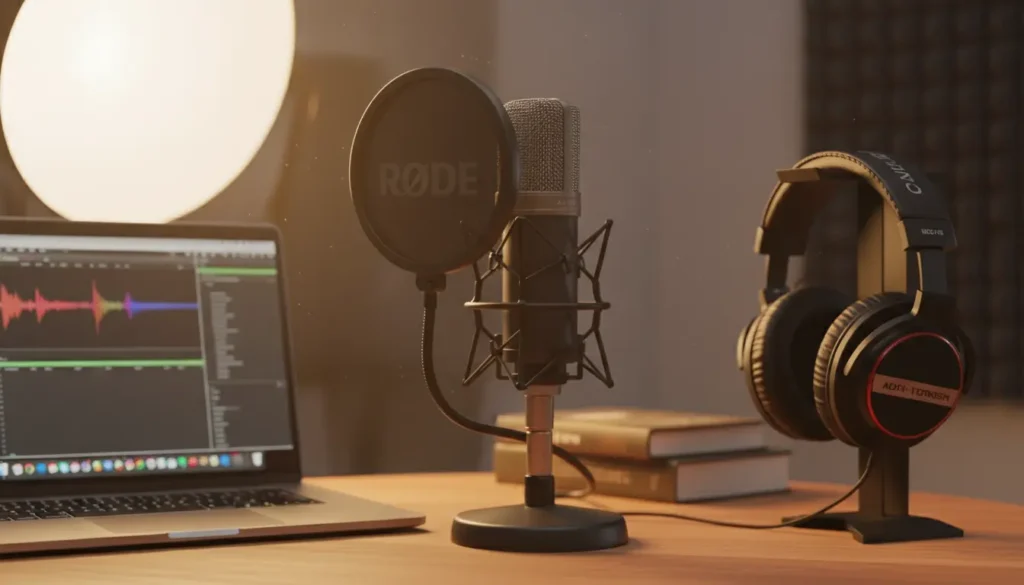
Focus on a reliable microphone, headphones, and recording software.
Basic gear checklist
- USB microphone (e.g., dynamic mic for less room noise)
- Closed-back headphones for monitoring
- Pop filter or foam windscreen
- Recording/editing software (Audacity, GarageBand, or Adobe Audition)
Record Your First Episode
Choose a quiet room and reduce reflections using soft furnishings or blankets. Test levels before recording to avoid clipping.
Keep scripts or bullet points ready to keep the episode structured and natural.
Recording tips
- Speak at a consistent distance from the microphone (4–8 inches).
- Record a short test and listen for background noise.
- Record slightly below peak to leave headroom for editing.
Edit and Produce: Clean and Consistent Audio

Editing turns raw audio into a polished episode. Basic edits include removing mistakes, adding intro/outro, and normalizing levels.
Use noise reduction sparingly—overdoing it can make audio sound unnatural.
Editing checklist
- Trim silence and mistakes
- Apply gentle compression and EQ
- Add music or sound effects with proper licenses
- Export as 44.1 kHz or 48 kHz MP3 at 96–192 kbps for voice
Hosting and Publishing Your Podcast
Choose a podcast host to store episodes and generate an RSS feed. Popular hosts include Libsyn, Podbean, Anchor, and Transistor.
Submit your RSS feed to major directories like Apple Podcasts, Spotify, and Google Podcasts.
Important publishing details
- Create a memorable podcast title and short description.
- Write episode titles and show notes with keywords.
- Use episode timestamps and links in show notes for listener convenience.
Promote Your Podcast: Grow an Audience
Promotion is essential. Combine organic promotion with consistent content and cross-posting to reach new listeners.
Engage your audience through social media, email lists, and collaborations with other podcasters.
Promotion tactics
- Share audiograms and short clips on social platforms.
- Ask listeners to subscribe and leave reviews.
- Appear as a guest on other shows in your niche.
Apple Podcasts launched in 2005 and helped popularize the format. Over 2 million podcasts exist today, but consistent publishing and niche focus still drive discovery.
Monetization Options
Monetize once you have consistent downloads. Common methods include sponsorships, listener donations, premium episodes, and affiliate marketing.
Choose a monetization strategy that fits your audience and content style.
Small Case Study: Niche Interview Podcast
Case: A creator launched a weekly 30-minute interview podcast about local small businesses. They planned a 10-episode season, recorded with a USB mic, and used a low-cost host.
Within three months they built an email list of 600 listeners, gained local sponsors, and booked guests from local networks. Consistent release days and short promotional clips on social media drove growth.
Final Checklist: Launch-Ready Steps
- Finalize podcast name, cover art, and description
- Record and edit 2–3 episodes before launch
- Set up hosting and submit to directories
- Prepare a promotion plan and posting schedule
Starting a podcast is a process you can manage with simple tools and steady habits. Focus on clear planning, consistent publishing, and improving audio quality over time.
Follow this guide step by step, and you’ll move from idea to a published show with a repeatable workflow.