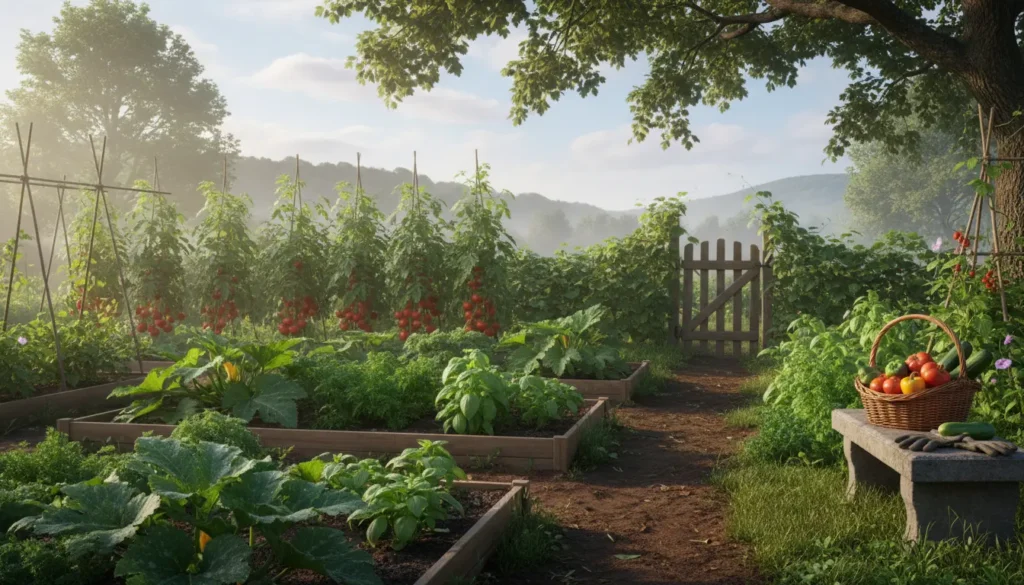
How to Start a Vegetable Garden: First Steps
Starting a vegetable garden is practical and rewarding for beginners and experienced gardeners alike. This guide covers the essentials you need to plan, prepare, plant, and maintain a productive home vegetable garden.
Choose a Site to Start a Vegetable Garden
Location determines how well vegetables grow. Pick a spot with at least 6 hours of direct sunlight for most vegetables.
Consider access to water, level ground, and proximity to your kitchen for easy harvesting. Avoid low spots that stay wet after rain.
Plan and Design Your Vegetable Garden
Good planning saves time and increases yield. Sketch a simple layout on paper or use online tools.
Decide between raised beds, in-ground rows, or container gardening based on space and soil quality.
Start a Vegetable Garden: What to Grow First
Choose easy crops for your first season. These crops are low-maintenance and reliable for beginners:
- Leafy greens (lettuce, spinach)
- Radishes
- Bush beans
- Zucchini
- Tomatoes (starter plants)
Prepare Soil to Start a Vegetable Garden
Soil is the foundation of a healthy garden. Good soil drains well but retains moisture and contains organic matter.
Test your soil pH and nutrient levels using a home kit or local extension service. Most vegetables prefer a pH between 6.0 and 7.0.
Soil Improvement Steps
- Remove weeds and debris.
- Work in compost or well-rotted manure to improve structure and fertility.
- For heavy clay, add coarse sand and organic matter to improve drainage.
Planting: How to Start a Vegetable Garden Correctly
Plant at the right time for your climate. Check frost dates and seed packet instructions before planting.
Use recommended spacing to avoid crowding and disease. Plant deeper or shallower as specific crops require.
Seedlings vs. Direct Sowing
Start fast-growing crops like radishes and beans by direct sowing. Start tomatoes and peppers indoors or buy transplants for better early growth.
Watering and Feeding Your Vegetable Garden
Consistent moisture is essential, especially during germination and fruiting. Water deeply and less frequently to encourage roots to grow down.
Use drip irrigation or soaker hoses to reduce water waste and foliage wetness.
Fertilizing Tips
- Apply a balanced organic fertilizer at planting and again mid-season for heavy feeders.
- Side-dress with compost or well-rotted manure around established plants.
Pest and Disease Management for Vegetable Gardens
Integrated pest management keeps problems manageable. Start with prevention: rotate crops, choose disease-resistant varieties, and keep beds clean.
Use row covers to protect young plants and hand-pick pests when practical. For persistent issues, use targeted organic treatments like insecticidal soap or neem oil.
Harvesting and Success Tips
Harvest vegetables at peak ripeness for best flavor. Check regularly—many crops produce more if picked often.
Keep a garden journal to record planting dates, varieties, yields, and lessons learned for next season.
Planting marigolds near tomatoes can help deter nematodes and some insect pests. Companion planting can improve yields without chemicals.
Small Case Study: How a Beginner Started a Vegetable Garden
Maria had a small sunny side yard and no prior gardening experience. She started a 4×8-foot raised bed the first spring and followed a simple plan.
She chose lettuce, cherry tomatoes, bush beans, and zucchini. Maria improved the soil with two wheelbarrows of compost and used drip irrigation to keep moisture steady.
By mid-summer she was harvesting daily salad greens and tomatoes. Her small, consistent steps produced steady crops and boosted her confidence for the next season.
Practical Checklist to Start a Vegetable Garden
- Choose a sunny site with good drainage.
- Test and amend your soil with compost.
- Pick easy crops and follow planting dates.
- Install simple irrigation or water by hand deeply.
- Monitor pests and rotate crops yearly.
Final Notes on How to Start a Vegetable Garden
Starting a vegetable garden is a series of small, repeatable actions: choose a site, prepare soil, plant appropriately, and maintain consistently.
Begin with manageable beds, keep records, and adjust based on results. With patience and observation, you will build a productive garden year after year.