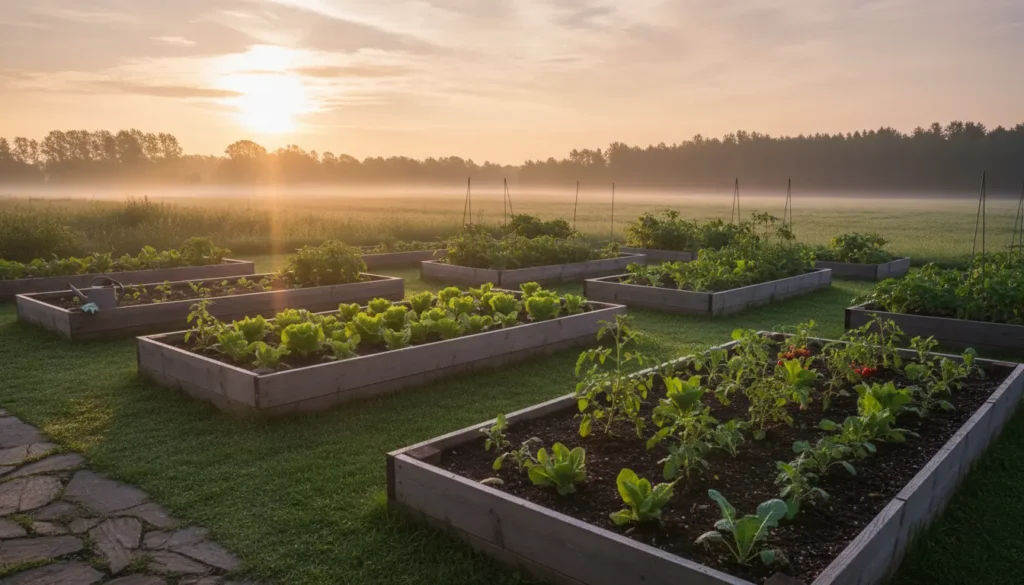
How to Start a Vegetable Garden: Key Steps
Starting a vegetable garden is straightforward when you follow a clear sequence: choose a site, prepare soil, pick crops, plant correctly, and maintain the bed. This guide gives practical, step-by-step instructions you can apply whether you have a small balcony or a yard.
Choose the Best Site for Your Vegetable Garden
Vegetable plants need sunlight, water access, and good drainage. Pick a location with at least 6 hours of direct sun daily.
Avoid low spots that collect water. If sunlight is limited, select crops that tolerate partial shade like leafy greens and herbs.
Site Selection Checklist
- Sunlight: 6–8 hours per day for most vegetables.
- Water source: hose or irrigation within 25 feet.
- Drainage: gentle slope or raised bed to avoid standing water.
- Wind protection: fences or hedges reduce plant stress.
Prepare Soil for a Healthy Vegetable Garden
Good soil is the foundation of a productive vegetable garden. Aim for loose, well-draining soil with organic matter.
Perform a simple soil test or use a DIY kit to check pH and nutrient levels. Most vegetables prefer pH 6.0–7.0.
Soil Preparation Steps
- Clear debris and weeds from the area.
- Loosen soil to 8–12 inches using a fork or tiller.
- Add 2–4 inches of compost and mix thoroughly.
- If soil is heavy clay, add coarse sand and more organic matter for texture.
Choose Vegetables That Fit Your Space and Climate
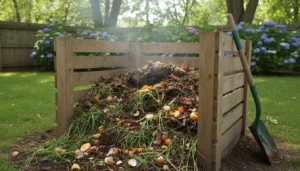
Start with easy, reliable crops that give quick returns. Good beginner choices include tomatoes, lettuce, radishes, beans, and herbs.
Consider your climate zone and the length of your growing season. Use seed packets or plant labels to check days to maturity.
Beginner-Friendly Vegetable List
- Lettuce and salad greens — fast and forgiving.
- Radishes — ready in 3–4 weeks.
- Tomatoes — high yield in a small space with support.
- Bush beans — low maintenance and productive.
- Herbs (basil, parsley) — compact and useful.
Planting: Timing and Methods for a New Vegetable Garden
Plant at the right time for each species. Use the local last frost date as a guide for spring planting.
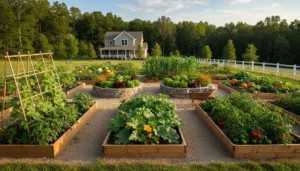
Direct sow root and cold-tolerant crops; transplant warm-season crops started indoors or bought as seedlings.
Simple Planting Tips
- Follow spacing on seed packets to avoid crowding.
- Depth matters: plant seeds at recommended depth for germination.
- Water gently right after planting to settle soil around roots.
Watering and Mulching for Consistent Growth
Consistent moisture reduces stress and improves yield. Water at the base of plants to keep leaves dry and reduce disease risk.
Apply 2–3 inches of organic mulch to conserve moisture, suppress weeds, and regulate soil temperature.
Watering Frequency Guidelines
- Seedlings: keep soil consistently moist but not waterlogged.
- Established vegetables: 1–1.5 inches of water per week, adjusted for heat and rainfall.
- Use drip irrigation or soaker hoses for efficiency.
Pest and Disease Basics for New Vegetable Gardens
Observe plants regularly to catch pests early. Use physical controls like row covers, hand-picking, and traps before chemical options.
Rotate crops yearly to reduce soil-borne disease build-up. Remove and compost only healthy plant material; diseased plants should be discarded according to local guidelines.
Did You Know?
Adding a cup of compost per square foot each year can increase soil organic matter and improve vegetable yields by up to 20% in the first growing season.
Small Real-World Example: Urban Balcony Garden
Case study: Maria converted a 6 x 3 foot balcony into a productive bed using three 12-inch deep containers.
She chose compact tomatoes, two lettuce varieties, basil, and radishes. Using container potting mix, a simple drip line, and 2 inches of mulch, Maria harvested fresh salad greens weekly and four tomato pickings in mid-summer.
Key lessons: choose compact varieties, maintain consistent watering, and stagger plantings for continuous harvest.
Seasonal To-Do List for First-Time Gardeners
- Spring: test soil, prepare beds, start seeds indoors.
- Early summer: transplant, stake tall plants, mulch deeply.
- Mid-summer: monitor water, harvest regularly, watch for pests.
- Fall: remove spent plants, add compost, plan cover crops if needed.
Final Tips to Keep Your Vegetable Garden Productive
Keep records of planting dates and varieties. Small notes help you refine timing and choices year to year.
Start small to avoid burnout. Expand beds and experiment once you have basic success. Regular observation and simple maintenance yield the best results.
With basic planning and consistent care you can start a vegetable garden that produces healthy food and teaches useful skills. Begin with the steps above, adapt to your space, and enjoy the process.