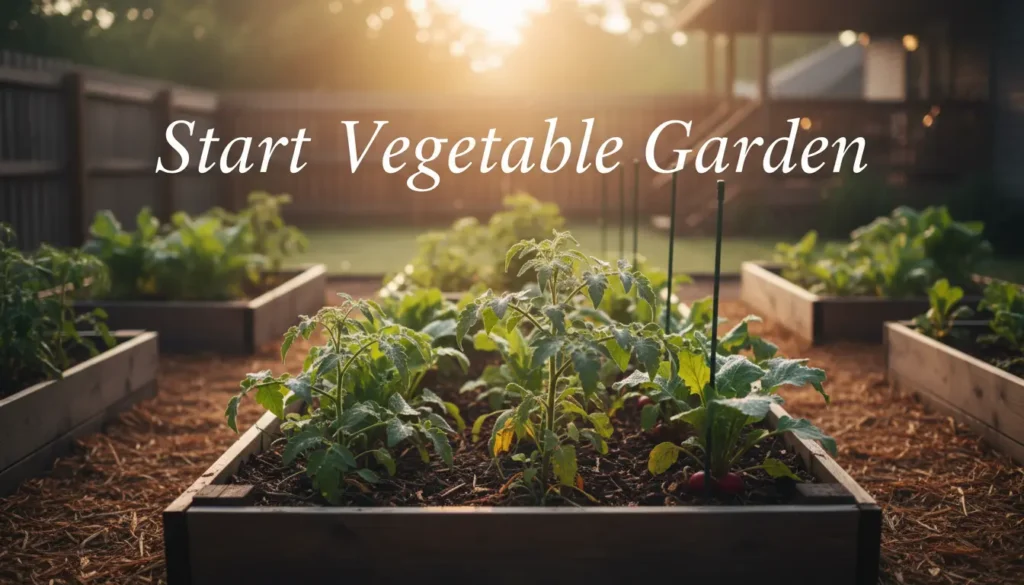
Why start a vegetable garden
Growing vegetables at home saves money and improves food quality. A garden gives fresh produce and control over what goes into your food.
It also supports mental health and outdoor activity. Even small spaces can produce a meaningful harvest.
How to start a vegetable garden: choose the right location

Pick a spot with 6–8 hours of sunlight for most vegetables. Sun exposure is the single most important factor for success.
Consider access to water, drainage, and convenience. A spot near your kitchen makes harvesting easier and increases use.
Space and layout options
Decide between in-ground beds, raised beds, containers, or vertical supports. Each option suits different spaces and budgets.
- In-ground beds: best for large yards and deep-rooted crops.
- Raised beds: better drainage, easier soil control, and less bending.
- Containers: ideal for balconies or patios with limited space.
- Vertical systems: use trellises for beans, peas, and cucumbers to save ground area.
How to start a vegetable garden: prepare soil and beds

Good soil is the foundation of a productive garden. Aim for loose, fertile soil with good drainage and organic matter.
Test soil pH if possible; most vegetables prefer pH 6.0–7.0. Amend soil based on results and add compost to improve structure.
Simple soil preparation steps
- Clear weeds and grass from the planting area.
- Loosen soil 8–12 inches deep in raised beds; 12–18 inches in ground beds for root crops.
- Mix in 2–4 inches of compost and a balanced organic fertilizer as needed.
- Level beds and form paths to avoid compacting planting areas.
How to start a vegetable garden: choose what to plant
Start with easy, high-reward vegetables that match your climate. Consider what your household eats most.
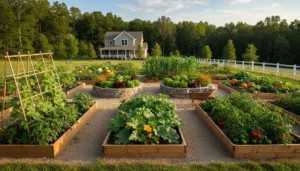
Beginner-friendly choices include lettuce, radishes, spinach, tomatoes, beans, and zucchini. Herbs like basil and parsley are also productive and low-maintenance.
Planning crop timing
Check your local last frost date and plant accordingly. Use cool-season crops in spring and fall, warm-season crops after frost risk passes.
- Spring: peas, lettuces, radishes
- Summer: tomatoes, peppers, beans
- Fall: kale, broccoli, carrots
How to start a vegetable garden: planting and spacing
Follow seed packet or plant label spacing to avoid overcrowding. Proper spacing reduces disease risk and improves yield.
Plant seeds at the recommended depth and water gently after sowing. Thin seedlings early to allow healthy growth.
Companion planting tips
Use companion plants to deter pests and boost growth. For example, marigolds repel some insects and basil can improve tomato flavor.
Avoid planting heavy feeders next to light feeders to maintain soil balance. Rotate crops yearly to reduce pest buildup.
How to start a vegetable garden: water, feeding, and maintenance
Consistent water is essential, especially during germination and fruiting. Aim for deep, infrequent watering rather than light daily sprinkling.
Mulch beds to conserve moisture, suppress weeds, and moderate soil temperature. Reapply mulch as needed during the season.
Fertilizing and pest control
Feed plants with a balanced fertilizer mid-season if growth slows or leaves yellow. Organic options include compost tea and fish emulsion.
Monitor pests regularly and use physical controls first. Handpick beetles, use row covers for cabbage moths, and employ traps for slugs.
Harvesting and extending the season
Harvest vegetables at peak ripeness for best flavor and continued production. Regular picking often encourages more fruiting.
Extend seasons with row covers, cold frames, and choosing fast-maturing varieties. Succession planting keeps beds productive all season.
Real-world example: small backyard success
Case study: A 10×8 ft raised bed converted an underused corner of a suburban yard into a productive plot. The gardener built two 4×3 ft beds and filled them with mixed compost and topsoil.
They planted lettuce, tomatoes, bush beans, and herbs in year one. By mid-summer they harvested weekly salads and saved $200 on produce. Regular mulching and watering prevented most pest problems.
Quick checklist to start a vegetable garden
- Choose a sunny, accessible location.
- Decide on bed type: raised, in-ground, or containers.
- Prepare soil and add compost.
- Select easy crops suited to your season.
- Plant with correct spacing and water deeply.
- Mulch, monitor pests, and feed if needed.
- Harvest regularly and rotate crops next season.
Final tips for new gardeners
Start small and expand as you gain confidence. Small success keeps motivation high and reduces overwhelm.
Keep a simple garden journal to track planting dates, varieties, and issues. Notes help improve results year over year.
By following these practical steps, you can start a vegetable garden that fits your space and needs. With basic planning and routine care, home-grown produce is within reach for most people.



