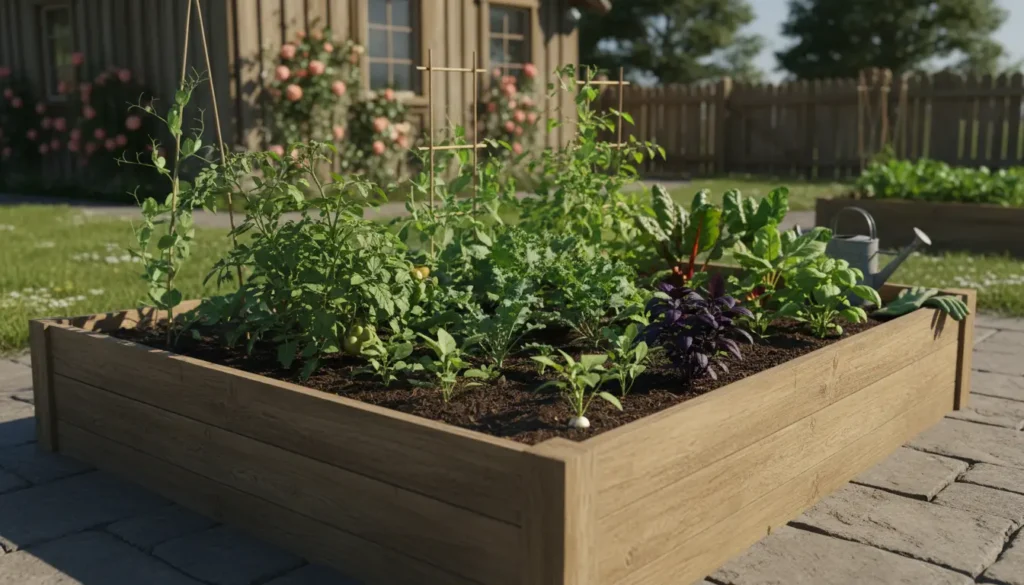
Starting a vegetable garden is a hands-on way to grow fresh food and learn basic soil and plant care. This guide gives clear, practical steps you can follow whether you have a small balcony, a backyard, or a set of raised beds.
Choose the Best Spot for Your Vegetable Garden
Vegetable gardens need sunlight to produce well. Pick a location that gets at least six hours of direct sun per day for most vegetables.
Consider access to water, level ground, and nearby protection from strong wind. If space is limited, a sunny container or raised bed will work.
Site Checklist for a Vegetable Garden
- Sunny exposure: 6–8 hours per day
- Easy access to a water source
- Good drainage and level soil
- Close to the house for convenient care
Prepare Soil for a Healthy Vegetable Garden
Soil quality makes the biggest difference in yields. Test soil pH and basic nutrients with an inexpensive kit or local extension service.
Amend heavy clay or sandy soil with compost to improve texture and fertility. Aim for a loose, crumbly soil that retains moisture but drains well.
Soil Preparation Steps
- Remove large weeds and debris
- Work in 2–4 inches of compost per 1,000 sq ft (or per raised bed)
- Adjust pH if needed: lime for acidic soil, sulfur for alkaline soil
- Mulch after planting to conserve moisture and suppress weeds
Choose Vegetables for Your Garden
Select crops that match your climate, season, and available space. Beginners often start with easy, productive plants.
Good starter vegetables include tomatoes, lettuce, radishes, green beans, and squash. Herbs like basil and parsley are also low-maintenance and useful.
Planting Plan Tips
- Group plants by water needs to simplify irrigation
- Use succession planting: sow a new row every few weeks for continuous harvest
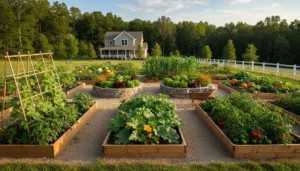
- Consider vertical supports for vining crops to save space
Watering and Fertilizing Your Vegetable Garden
Consistent moisture is crucial for vegetable development. Water deeply and less frequently rather than shallow daily watering.
Drip irrigation or soaker hoses reduce disease risk and waste. Apply water at the base of plants to keep foliage dry.
Fertilizer Basics for Vegetable Garden Health
- Use compost as a slow-release fertilizer
- Apply a balanced granular fertilizer at planting if needed
- Side-dress heavy feeders like corn and tomatoes midseason with compost or fertilizer
Pest and Disease Management in a Vegetable Garden
Start with cultural controls: crop rotation, clean beds, and spacing to improve airflow. Healthy plants resist pests and disease better than stressed ones.
Use physical barriers like row covers for early-season insects and hand-pick larger pests when possible. Choose organic sprays as a last resort and follow label directions.
Common Problems and Quick Fixes
- Aphids: spray with a strong jet of water or use insecticidal soap
- Fungal leaf spots: improve airflow and avoid overhead watering
- Slugs: use beer traps or copper barriers around beds
Harvesting and Ongoing Care for Your Vegetable Garden
Harvest vegetables when they reach recommended size and flavor for the variety. Frequent picking often encourages more production, especially with beans and zucchini.
Keep beds tidy by cutting back spent plants, adding fresh mulch, and replenishing compost each season to maintain fertility.
Rotate families of vegetables each year to prevent nutrient depletion and reduce the buildup of pests and diseases that target specific crops.
Small Real-World Case Study: Sarah’s 10×8 Raised Bed Vegetable Garden
Sarah converted a sunny corner of her backyard into two 10×4 raised beds. She filled them with a mix of topsoil and compost and planted tomatoes, lettuce, carrots, and bush beans.
By spacing plants and using drip irrigation, she reduced watering time and saw fewer fungal problems. Her harvest included regular salad greens and enough tomatoes for fresh eating and cooking through the summer.
Key results: higher yields per square foot, lower weed pressure, and reduced back strain thanks to raised beds.
Quick Seasonal Checklist for a Vegetable Garden
- Spring: soil test, start seeds indoors, prepare beds
- Early Summer: transplant, mulch, install supports
- Mid Summer: monitor water, harvest regularly, control pests
- Fall: remove spent plants, add compost, sow cover crop
Final Tips to Keep Your Vegetable Garden Productive
Start small and expand as you learn what grows well in your space. Keep a simple journal of planting dates, varieties, and harvests to improve planning next year.
Use local resources like extension services or gardening groups for variety recommendations and regional timing. With consistent care, a vegetable garden becomes more productive each year.