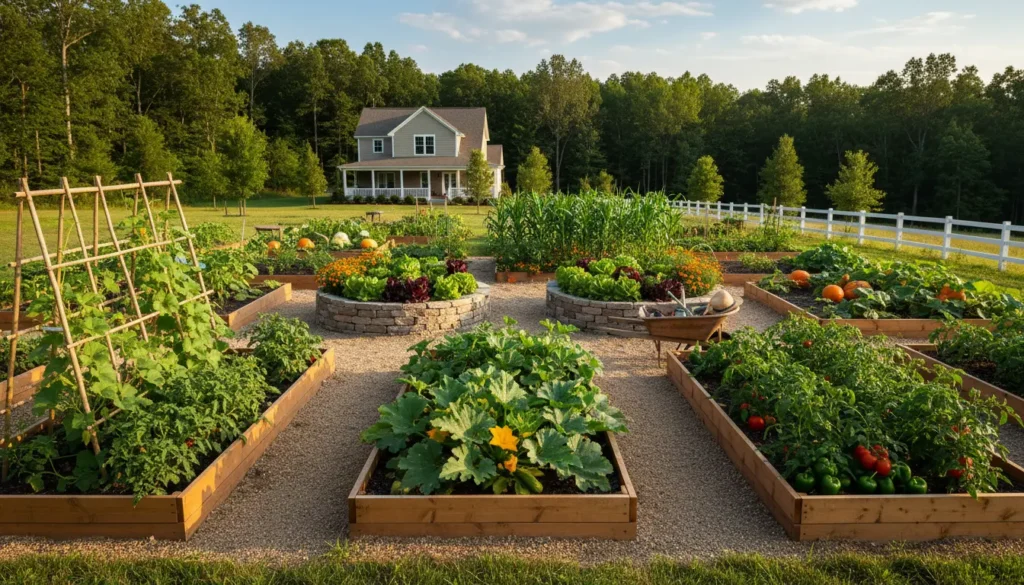
How to Start a Vegetable Garden: Practical First Steps
Starting a vegetable garden is a hands-on project that rewards planning and simple routines. This guide explains how to start a vegetable garden with clear steps you can follow in a weekend and maintain through the season.
Choose the Right Site for Your Vegetable Garden
Site selection is the foundation for success when you start a vegetable garden. Pick a spot that gets at least six hours of direct sunlight and has good drainage.

Avoid low areas that collect cold air or water. Consider convenience: place the garden near a water source and your kitchen for easier harvesting.
Soil and Sun Checklist
- Sunlight: 6–8 hours daily for most vegetables.
- Soil: Loamy, well-drained soil is best.
- Access: Within 50 feet of a water source.
- Protection: Shelter from high winds and persistent shade.
Prepare Soil Before You Plant
Good soil makes gardening easier. Test the soil pH with a home kit or send a sample to a local extension for detailed results.
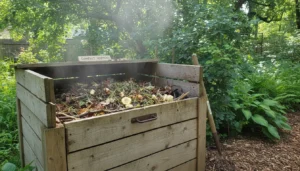
Improve soil by adding compost and aged manure. For quick setup, use raised beds filled with a mix of topsoil, compost, and well-draining materials.
Soil Improvement Steps
- Remove weeds and grass from the area.
- Spread 2–3 inches of compost over the soil surface.
- Dig or till to mix compost into the top 6–8 inches.
- Level the bed and water to settle the soil.
Choose Easy Vegetables for Beginners

When you start a vegetable garden, pick crops that are fuss-free and fast-growing. This builds confidence and yields results quickly.
Good beginner vegetables include lettuce, radishes, green beans, cherry tomatoes, and zucchinis.
Suggested Planting Plan
- Leafy greens: Lettuce, spinach — harvest multiple times.
- Root crops: Radishes, carrots — quick and space-saving.
- Vining crops: Pole beans and cucumbers — use a trellis.
- Warm-season: Tomatoes and peppers — plant after frost risk.
Planting Schedule and Spacing
Follow seed packet dates and your local frost dates when you start a vegetable garden. Space plants to match mature size to reduce disease and competition.
Use succession planting for continuous harvests. Plant new rows of fast crops every 2–3 weeks.
Basic Spacing Examples
- Lettuce: 6–8 inches between plants.
- Radishes: 1–2 inches between seeds.
- Tomatoes: 18–24 inches apart with stakes or cages.
Watering and Routine Care
Consistent watering is key when you start a vegetable garden. Water deeply and less often to encourage strong root growth.
Mulch with straw or shredded leaves to retain moisture and suppress weeds. Check moisture by digging down 2 inches; soil should feel slightly damp.
Daily and Weekly Tasks
- Daily: Quick visual check for pests, wilting, or disease.
- Weekly: Water deeply, remove weeds, and inspect plant growth.
- Monthly: Add compost or a balanced organic fertilizer if growth slows.
Common Pests and Simple Controls
Pests are a normal part of gardening. Start with low-toxicity methods before stronger treatments.
Use floating row covers, handpick large pests, and encourage beneficial insects like ladybugs and lacewings.
Natural Pest Control Options
- Hand removal for caterpillars and beetles.
- Neem oil or insecticidal soap for soft-bodied insects.
- Floating row covers to protect seedlings from flies and moths.
Harvesting and Storage Tips
Harvest vegetables when they reach a usable size; frequent harvesting encourages more production in many plants. Pick tomatoes when fully colored and firm.
Store leafy greens in a cool place and use within a week for best flavor. Root crops can be kept longer if stored in a cool, humid environment.
Plants like radishes and leaf lettuce can be ready to harvest in as little as 3 to 4 weeks from sowing. Fast crops help new gardeners see quick results and stay motivated.
Case Study: A Small Raised Bed Success
Emma, a city renter, started a 4×4 foot raised bed on her balcony to learn how to start a vegetable garden. She used a soil mix of 50% compost and 50% topsoil and planted lettuce, radishes, and bush beans.
In the first season she planted three succession rounds of lettuce and harvested radishes every three weeks. Her bed produced enough greens for two people and saved roughly $15–$20 per week during peak months.
Final Checklist Before You Start a Vegetable Garden
- Choose a sunny, accessible site.
- Test and improve soil with compost.
- Start with easy vegetables and follow spacing guides.
- Establish a regular watering and maintenance routine.
- Use natural pest controls and mulch to reduce problems.
Starting a vegetable garden is manageable with basic planning and simple routines. Follow these steps, keep notes on what works, and adjust season by season to improve your yields and enjoyment.



