Why Start a Vegetable Garden
Growing your own vegetables saves money, improves flavor, and gives control over how food is grown. A small, well-planned garden can produce a surprising amount of food.
This guide focuses on practical steps for beginners so you can get plants in the ground and start harvesting within one season.
Planning Your Vegetable Garden

Start with a simple plan. Decide how much time you can commit, what you like to eat, and where you will place the garden.
Good planning reduces waste and boosts success.
Choose the Right Location for a Vegetable Garden
Vegetables need 6–8 hours of direct sun. Pick a level site with good drainage and easy access to water.

Avoid low spots that collect cold air in spring or areas shaded by trees.
Decide Between Beds, Containers, or Rows
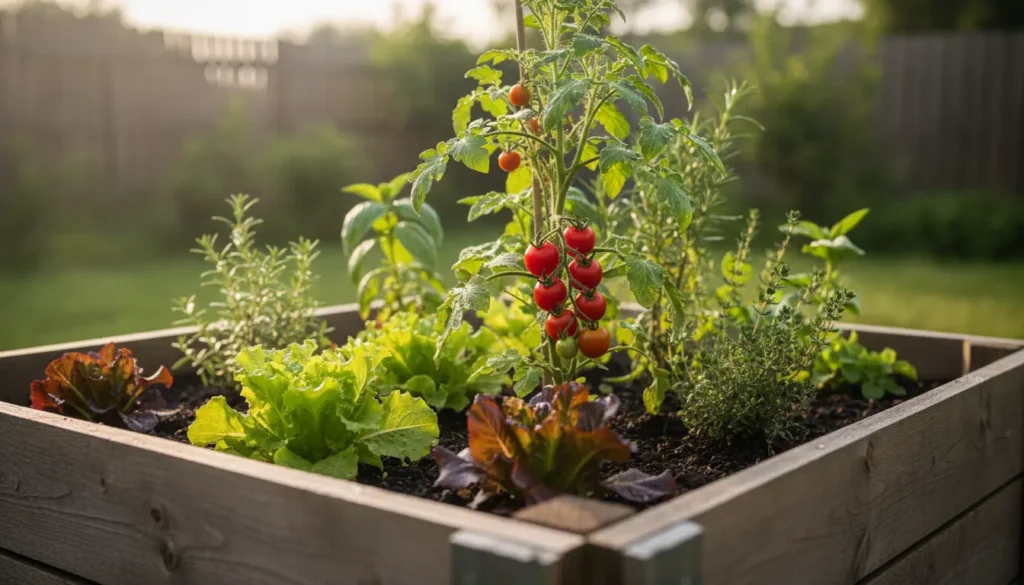
Raised beds are ideal for beginners because they warm faster and have better soil control. Containers work well on patios, and rows suit large yards.
- Raised beds: good drainage, easier weeding
- Containers: portable, space-saving
- In-ground rows: cost-effective for large areas
Soil and Preparation for Your Vegetable Garden
Soil is the most important factor in a productive garden. Aim for loose, well-draining soil rich in organic matter.

Test soil pH and amend based on results; many vegetables prefer pH 6.0–7.0.
Improve Soil Quickly
Add 2–4 inches of compost to the surface and mix into the top 6–8 inches. Compost feeds plants and improves texture.
If your soil is heavy clay, add coarse sand and organic matter. For very sandy soil, add compost and peat or coconut coir to increase water retention.
Choosing Plants for a Vegetable Garden
Select easy, high-yield vegetables for your first year. Focus on plants with low maintenance and reliable results.
Consider a mix of quick crops and longer-season crops for steady harvests.
Best Beginner Vegetables
- Leafy greens (lettuce, spinach) — fast and forgiving
- Radishes — ready in weeks, good for succession planting
- Tomatoes — high yield, stake or cage for support
- Beans — productive and fix nitrogen in soil
- Zucchini — very productive with minimal care
Planting, Watering, and Care
Follow spacing and depth recommendations on seed packets or plant tags. Crowding reduces airflow and increases disease risk.
Water deeply and less often; aim for moist soil 1–2 inches down rather than frequent shallow watering.
Mulch, Fertilize, and Stake
Mulch reduces weeds and conserves moisture. Use straw, shredded leaves, or bark after soil warms.
Feed plants with a balanced organic fertilizer at planting and mid-season according to product directions. Stake tall plants like tomatoes and peas early to avoid root disturbance later.
Pest and Disease Management in a Vegetable Garden
Start with prevention: clean soil, crop rotation, and healthy plants. Inspect plants weekly to catch problems early.
Use row covers for young plants and hand-pick larger pests. Choose organic options like neem oil or insecticidal soap when needed.
Basic Crop Rotation Tips
- Avoid planting the same family (e.g., nightshades) in the same spot each year
- Rotate between root crops, leafy greens, and legumes to reduce pests
- Grow cover crops in fall or winter to rebuild soil
Harvesting and Storage
Harvest vegetables at peak maturity for best flavor and to encourage further production. Picking regularly reduces disease and pest attraction.
Store produce properly: cool greens quickly, cure root crops if needed, and refrigerate or preserve depending on the crop.
Simple Seasonal Calendar for a Vegetable Garden
- Early spring: prepare beds, sow cool-season crops (lettuce, peas, radish)
- Late spring: transplant tomatoes, peppers, and cucurbits after frost risk
- Summer: maintain watering, harvest, and succession plant short-cycle crops
- Fall: plant cover crops, harvest remaining crops, and clean beds
Beans and other legumes add nitrogen to the soil through a natural partnership with bacteria, reducing the need for synthetic fertilizers.
Case Study: Small Raised Bed Success
Sarah had a 4×8 raised bed and limited time. She chose tomatoes, basil, lettuce, and bush beans and amended the bed with compost before planting.
With twice-weekly deep watering and mulching, Sarah harvested salad greens every week and 10 pounds of tomatoes in a season. Minimal pest issues were managed by hand-picking and using row covers early on.
Final Tips for a Productive Vegetable Garden
- Start small and expand as you gain confidence
- Keep a simple journal: planting dates, varieties, and yields
- Learn from one season and adjust soil and plant choices the next year
Starting a vegetable garden is a practical way to improve your food quality and reconnect with how food is grown. With basic planning, good soil, and regular care, beginners can expect steady rewards.



