Why Start a Vegetable Garden
Starting a vegetable garden gives you fresh produce, saves money, and connects you to the seasons. It also teaches basic plant care that applies to other gardening projects.
This guide covers practical steps to plan, prepare, plant, and maintain a successful vegetable garden for beginners.
Plan Your Vegetable Garden
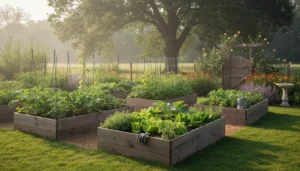
Good planning reduces wasted time and money. Begin by choosing a location with at least six hours of direct sunlight and easy access to water.
Decide on bed type and size: raised beds, containers, or in-ground rows work well for beginners. Smaller, manageable plots are easier to maintain.
Choose What to Grow
Pick vegetables that you and your family will eat and that match your climate. For many beginners, these are easy choices:
- Leafy greens: lettuce, spinach, swiss chard
- Root crops: carrots, radishes, beets
- Nightshades: tomatoes, peppers (with staking)
- Quick growers: bush beans, zucchini
Start with 3–6 types of vegetables in the first season to keep things simple.
Prepare Soil for Your Vegetable Garden
Soil quality determines garden success more than fancy tools or expensive seeds. Test or evaluate soil texture and drainage before planting.
Improve Soil Quickly
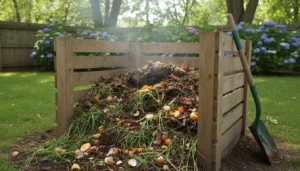
Most gardens benefit from adding organic matter. Work compost or well-rotted manure into the top 6–8 inches of soil.
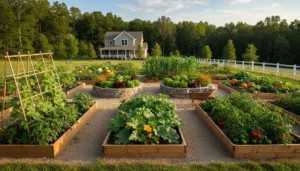
For raised beds, use a mix of topsoil, compost, and coarse sand or perlite for drainage. Aim for a loose, crumbly texture.
- Do a quick pH test kit if available; most vegetables like pH 6.0–7.0.
- Add lime for very acidic soils and sulfur for very alkaline soils only as needed.
- Mulch with straw or shredded leaves after planting to retain moisture and suppress weeds.
Planting Your Vegetable Garden
Plant at the right time for your climate. Use seed packet dates or local extension service guidance for last frost and first frost dates.
Seed vs Seedlings
Some crops are best sown directly (carrots, radishes), while others benefit from seedlings started indoors (tomatoes, peppers). Follow spacing recommendations on seed packets.
- Sow shallow seeds at the correct depth—many small seeds need only a dusting of soil.
- Water gently after sowing and keep soil consistently moist until germination.
- Thin seedlings to recommended spacing to reduce competition and disease.
Watering and Feeding Your Vegetable Garden
Consistent watering matters more than frequency. Most vegetable gardens need about 1 inch of water per week from rain or irrigation.
Water deeply at the base of plants early in the day to reduce leaf disease and encourage deep root growth.
Fertilizing Basics
Apply a balanced slow-release fertilizer at planting or use a weekly liquid feed for heavy feeders like tomatoes and cucumbers.
- Use compost tea or fish emulsion for an organic boost.
- Avoid over-fertilizing, which can produce lush foliage but poor fruiting.
Pest and Disease Management in a Vegetable Garden
Integrated pest management keeps problems under control without heavy chemicals. Start with prevention: crop rotation, clean tools, and healthy soil.
Monitor plants weekly and remove damaged leaves promptly. Use row covers for early-season insect control and hand-pick larger pests like slugs.
- Encourage beneficial insects by planting flowers such as marigolds and alyssum.
- Use organic treatments like neem oil or insecticidal soap for small infestations.
Harvesting and Season Extension
Harvest regularly to encourage continued production, especially with greens and summer crops. Pick at peak ripeness for best flavor and storage life.
Extend your season with cloches, row covers, or a small cold frame to protect plants from light frost.
Many common herbs and salad greens can be harvested within 30 days of planting, giving quick rewards for new gardeners.
Simple Schedule for a New Vegetable Garden
- Week 1: Choose location, prepare beds, add compost.
- Week 2: Start seeds indoors or buy seedlings.
- Weeks 3–6: Sow direct-seed crops and transplant seedlings.
- Ongoing: Water, weed, monitor pests, and harvest.
Case Study: Small Raised Bed Success
Emma converted a 10 by 4 foot unused lawn strip into two raised beds. She filled them with a 50/50 mix of topsoil and compost and planted tomatoes, lettuce, bush beans, and carrots.
By following a weekly watering schedule and mulching heavily, she harvested salad greens within six weeks and tomatoes by mid-summer. The small, well-maintained space produced enough produce for a family of three all season.
Common Beginner Mistakes to Avoid
- Planting too much at once—start small and expand.
- Ignoring soil preparation—poor soil leads to weak plants.
- Overwatering or underwatering—establish a consistent routine.
Final Tips for a Thriving Vegetable Garden
Keep records of what you planted, dates, and yields to improve each season. Start simple and build confidence by repeating successful crops.
With basic planning, good soil, and consistent care, a beginner can grow a productive vegetable garden in the first season.