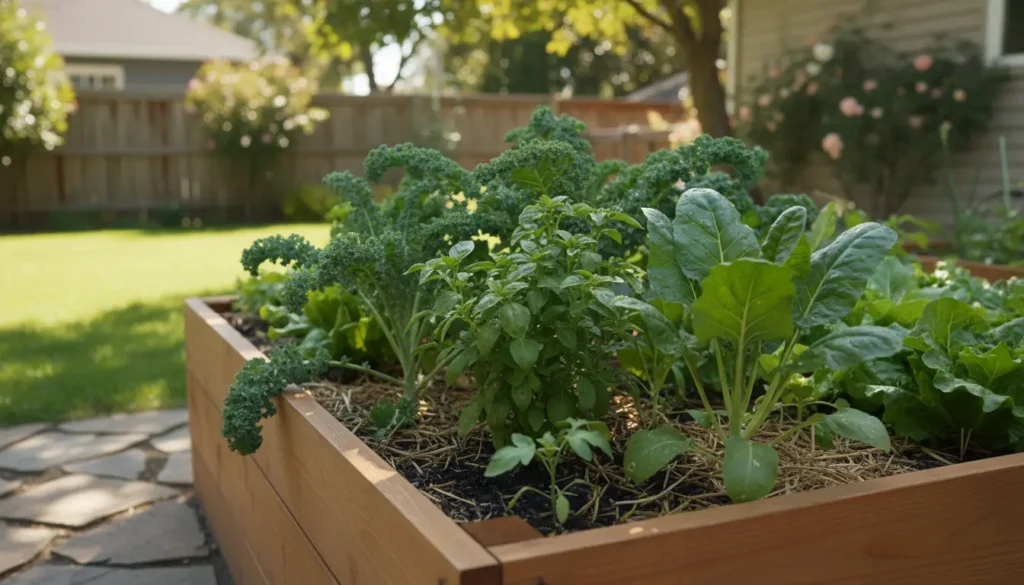
Plan Your Home Vegetable Garden
Starting a home vegetable garden begins with a simple plan. Decide what you want to grow, how much space you have, and how much time you can commit each week.
Choose vegetables you like to eat and that match your climate and season. Focus on easy crops first, such as lettuce, radishes, tomatoes, and herbs.
Choose a Site for Your Home Vegetable Garden

Pick a location with at least 6 hours of sunlight per day for most vegetables. Sunlight is the single most important factor for a productive garden.
Consider access to water, good drainage, and protection from strong winds. A spot near the kitchen makes harvesting easier and encourages regular care.
Site options for a home vegetable garden
- In-ground bed: Best for larger spaces with good soil.
- Raised bed: Easier to control soil quality and drainage.
- Containers: Ideal for balconies and small patios.
Prepare Soil and Compost for Your Home Vegetable Garden
Healthy soil is the foundation of a productive home vegetable garden. Test your soil pH with a simple kit and aim for a pH between 6.0 and 7.0 for most vegetables.

Add compost to improve texture and fertility. Compost returns nutrients, improves water retention, and supports beneficial microbes.
Basic soil preparation steps
- Clear weeds and debris from the site.
- Loosen the top 8–12 inches of soil with a fork or tiller.
- Mix in 2–4 inches of finished compost and a handful of balanced organic fertilizer if needed.
- Level the bed and water lightly to settle the soil.
Choose Plants and Planting Schedule
Group vegetables by maturity time and water needs to simplify care. Plan for succession planting to maximize yields across the season.
Use seed packets or plant tags for spacing and planting depth. Start fast-growing crops early and transplant slower crops after the last frost.
Easy starter vegetables for a home vegetable garden
- Lettuce and other salad greens
- Radishes and carrots
- Zucchini and summer squash
- Tomatoes and peppers (from transplants)
- Bush beans and peas
Watering and Mulching Tips

Water deeply and less frequently to encourage strong root systems. Aim for an inch of water per week, adjusting for rain and soil type.
Mulch with straw, leaves, or wood chips to retain moisture, suppress weeds, and moderate soil temperature.
Simple watering routine
- Water in the morning to reduce disease risk.
- Use a soaker hose or drip irrigation for efficient delivery.
- Check soil moisture with your finger; water when the top 1–2 inches feel dry.
Pest and Disease Management for a Home Vegetable Garden
Monitor plants regularly and act early. Hand-pick pests, use row covers for protection, and remove diseased leaves to limit spread.
Encourage beneficial insects like ladybugs and lacewings by planting flowers and avoiding broad-spectrum pesticides.
Harvesting and Ongoing Care
Harvest vegetables when they reach recommended sizes for best flavor. Frequent harvesting of crops like lettuce and beans encourages continuous production.
Rotate crops each season to reduce disease build-up and maintain soil fertility. Add compost each fall or spring to replenish nutrients.
Interplanting quick crops like radishes between slower crops such as tomatoes can boost early yields and make efficient use of space.
Small Case Study: A Beginner’s Success
Maria, a first-time gardener in Portland, started a 4×8 raised bed in spring. She focused on three crops: tomatoes, lettuce, and bush beans.
She improved soil with local compost, mulched heavily, and used drip irrigation. By late summer she harvested weekly lettuce, several tomato harvests, and multiple bean pickings.
Her results: fresh salads all season and a 60% reduction in grocery purchases for those vegetables.
Quick Checklist to Start Your Home Vegetable Garden
- Choose a sunny site and prepare the soil.
- Decide on raised beds, in-ground, or containers.
- Select easy crops and follow planting dates.
- Water deeply, mulch, and monitor for pests.
- Harvest regularly and add compost seasonally.
Final Tips for a Successful Home Vegetable Garden
Start small and expand as you gain experience. Consistency in watering and simple soil care will yield better results than complicated interventions.
Keep a gardening notebook to track planting dates, varieties, and harvests. Small records help you improve each season.
With straightforward planning and weekly care, a home vegetable garden can supply fresh produce, reduce food costs, and provide rewarding outdoor activity.



