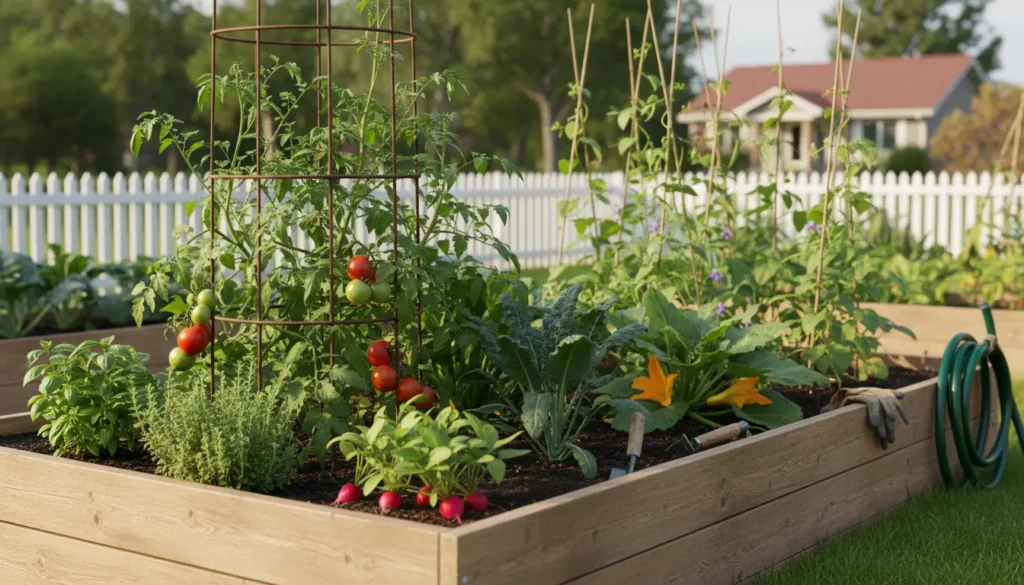
Starting a vegetable garden is a useful, hands-on way to grow fresh food and learn basic plant care. This guide breaks the process into clear steps so beginners can plan, plant, and maintain a productive garden.
How to start a vegetable garden: Choose the right site
Selecting a good spot is the first practical step when you start a vegetable garden. Most vegetables need at least 6 hours of direct sunlight; choose a level area with good sun exposure.
Avoid low spots where water pools and check proximity to a water source. Ease of access for planting and harvesting will make maintenance simpler.
How to start a vegetable garden: Decide on garden type
Different garden styles suit different spaces. Choose a type that fits your site and commitment level.
- In-ground beds: Best for larger yards and deep planting.
- Raised beds: Improve drainage and soil control, ideal for small yards and beginners.
- Container gardening: Perfect for balconies or patios; choose large pots for root crops.
How to start a vegetable garden: Select vegetables
Pick easy, fast-growing crops for first-time gardeners. Consider taste, space, and season.
- Vegetables for beginners: lettuce, radishes, spinach, cherry tomatoes, green beans, and carrots.
- Think succession planting to extend harvests: plant new rows every 2–3 weeks for lettuce and radishes.
How to start a vegetable garden: Prepare and test soil
Healthy soil makes the biggest difference in garden success. Start by testing soil texture and pH with a home kit or lab test.
Common improvements include adding compost, coarse sand for heavy clay, or peat-free soil mixes for containers. Aim for loose, well-draining soil rich in organic matter.
Soil amendment basics
Add 2–4 inches of compost to in-ground beds and mix into the top 6–8 inches. For raised beds, use a mix of topsoil, compost, and a light amendment like coconut coir for moisture retention.
How to start a vegetable garden: Planting and spacing
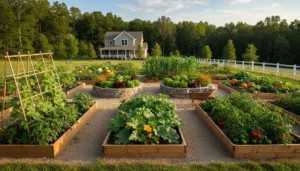
Follow seed packet or plant label instructions for depth and spacing. Crowded plants compete for light and nutrients and can increase disease risk.
- Direct sow root vegetables like carrots and radishes to the recommended depth.
- Transplant seedlings for tomatoes, peppers, and brassicas after hardening them off.
How to start a vegetable garden: Watering and feeding
Consistent watering is essential, especially during germination and fruiting. Most vegetables prefer deep, infrequent watering to encourage root growth.
Use a soaker hose or drip system to deliver water slowly and reduce foliage wetness. Apply a balanced organic fertilizer or side-dress with compost during the growing season.
Watering schedule example
Water 1–2 times per week, giving 1–2 inches total depending on soil and weather. Increase frequency in hot, dry periods; reduce in cool, wet conditions.
How to start a vegetable garden: Pest and disease basics
Monitor plants frequently to catch problems early. Use physical barriers and cultural practices before chemical controls.
- Rotate crops each year to reduce soil-borne diseases.
- Hand-pick pests, use row covers for early protection, and encourage beneficial insects like ladybugs.
How to start a vegetable garden: Harvesting and care
Harvest crops at peak maturity for best flavor and to encourage further production. Regular harvesting of peas, beans, and leafy greens keeps plants productive.
After the main season, clean up spent plants and add them to compost. Consider cover cropping or a light mulch to protect soil through winter.
Growing lettuce in partial shade can extend harvest through hot summer months because leafy greens bolt less quickly in cooler, shaded spots.
Common mistakes when you start a vegetable garden
Beginners often overplant, water improperly, or neglect soil health. Avoid these pitfalls to improve success.
- Overcrowding: Follow spacing guides to allow airflow and root growth.
- Shallow watering: Encourage deep roots by watering more deeply and less often.
- Neglecting soil: Test and amend soil rather than relying on store-bought soil alone.
Case Study: Sarah’s Balcony Garden
Sarah had a small sunny balcony and wanted fresh salad greens. She chose container gardening with three 12-inch planters and a potting mix with added compost.
She started with lettuce, cherry tomatoes, and herbs. Using a drip emitter and weekly liquid feed, Sarah harvested salad greens within six weeks and kept harvesting by succession planting. Her containers produced enough greens for two people through the summer.
Final checklist before you start a vegetable garden
- Site: 6+ hours of sun, near water, level ground or stable containers.
- Soil: Test pH, add compost, ensure good drainage.
- Plants: Start with easy varieties and follow spacing guidance.
- Watering: Adopt deep, consistent watering and consider drip irrigation.
- Maintenance: Monitor pests, rotate crops, and harvest regularly.
Starting a vegetable garden is a step-by-step process that rewards patience and observation. Use this practical plan to begin small, learn fast, and expand as you gain confidence.