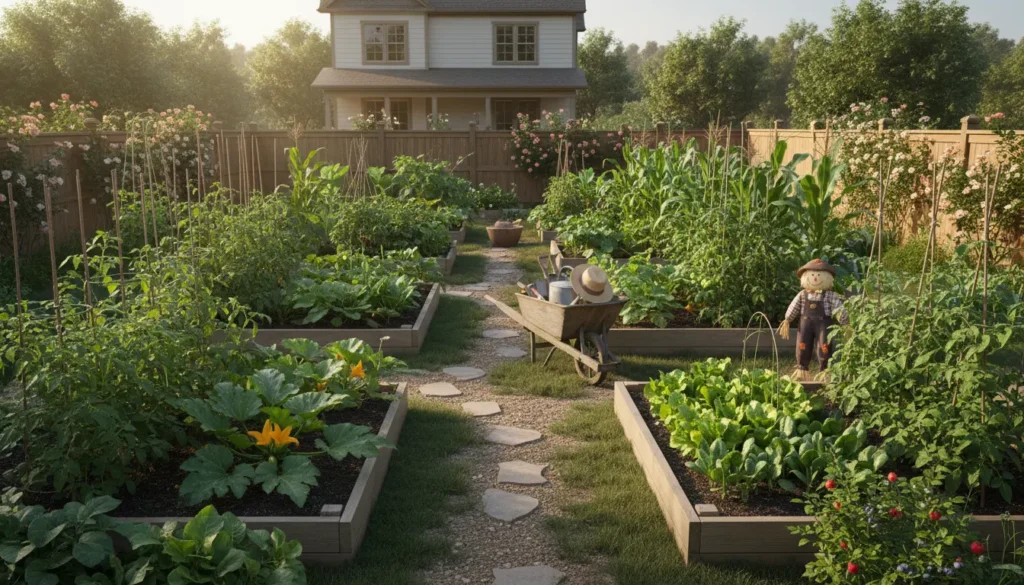
How to Start a Vegetable Garden: First Steps
Starting a vegetable garden is practical and rewarding. This guide shows how to start a vegetable garden with clear steps for beginners and small-space growers.
Choose the Right Spot to Start a Vegetable Garden
Select a location with at least six hours of direct sunlight per day for most vegetables. Check drainage; the soil should not stay waterlogged after a heavy rain.
- Sun: Aim for south- or west-facing areas for best light.
- Access: Place the garden near a water source to make watering easier.
- Protection: Look for shelter from strong winds and pests.
Decide Garden Type and Size
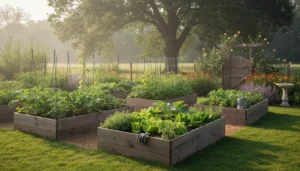
Decide whether you want raised beds, in-ground rows, containers, or a mix. Small gardens are easier to manage and still yield plenty of produce.
For beginners, a 4×8 foot raised bed or several containers is a good starting size. This provides enough space for diverse plants while keeping maintenance manageable.
Prepare Soil to Start a Vegetable Garden
Healthy soil is the foundation of a productive vegetable garden. Test soil first, then improve texture and fertility as needed.
Test and Improve Soil
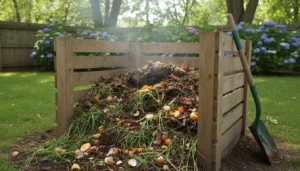
Use a simple soil test kit or send a sample to a local extension. Tests reveal pH and nutrient levels to guide amendments.
- pH: Most vegetables prefer a pH of 6.0 to 7.0.
- Organic matter: Add compost to increase fertility and water retention.
- Structure: Mix in aged compost and coarse sand or perlite for heavy clay soil.
Work amendments into the top 6 to 12 inches of soil before planting. Avoid compacting the soil; loosen it gently with a fork or tiller.
Plan What to Plant When You Start a Vegetable Garden
Choose vegetables suited to your climate, soil, and season. Start with easy crops for reliable results.
Beginner-Friendly Vegetables
- Leafy greens: Lettuce, spinach, Swiss chard
- Root crops: Radish, carrots, beets
- Fruiting plants: Tomatoes, peppers, bush beans
- Herbs: Basil, parsley, chives
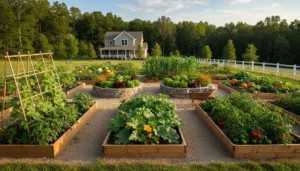
Plan succession planting to extend harvests. Sow a small batch every 2–3 weeks for continuous supply of lettuce or radishes.
Planting and Care to Start a Vegetable Garden
Timing and proper spacing are key. Follow seed packet or plant tag instructions for depth and spacing to reduce competition and disease.
Watering and Mulching
Water deeply and less often to encourage strong roots. Most vegetables need about 1 inch of water per week from rain or irrigation.
- Water at the base of plants early in the morning to minimize evaporation and disease risk.
- Use mulch to conserve moisture, suppress weeds, and regulate soil temperature.
Fertilizing and Crop Rotation
Use balanced, slow-release fertilizer or compost tea as needed during the growing season. Avoid over-fertilizing leafy crops if you want fruit production.
Rotate plant families each year to reduce pests and soil-borne disease buildup. For example, follow tomatoes with legumes or brassicas in the next season.
Pest, Weed, and Disease Management
Monitor plants weekly and act early when problems appear. Many issues can be managed with simple cultural practices.
Practical Controls
- Handpick large pests like slugs and caterpillars.
- Use row covers to protect young plants from insects and birds.
- Remove diseased foliage and dispose of it away from the garden.
Encourage beneficial insects by planting flowers such as calendula, borage, or dill nearby to attract pollinators and predators.
Companion planting can improve yields and reduce pests. For example, planting basil near tomatoes can help repel certain insects and enhance tomato flavor.
Seasonal Care and Harvest
Adjust care as the season changes. Provide shade in extreme heat and protect plants from early or late frosts.
Harvesting Tips
- Pick leafy greens when young and tender for best flavor.
- Harvest tomatoes when fully colored and slightly soft to the touch.
- Use a sharp knife or shears to avoid damaging vines and stems.
Small Case Study: A City Balcony Start
Maria had a 6-foot balcony and wanted fresh salad greens. She used three 12-inch containers and a 4×8 foot window box filled with a mix of potting soil and compost.
Over one season she harvested lettuce and radishes every two weeks. By staggering plantings and using vertical supports for bush beans, she tripled her yield compared with a single planting. The total cost under $120, and she saved on grocery bills while enjoying fresh produce.
Quick Checklist to Start a Vegetable Garden
- Choose a sunny, well-drained site.
- Test and amend soil with compost.
- Select easy crops for your climate.
- Plant with correct spacing and depth.
- Water deeply, mulch, and monitor pests.
Starting a vegetable garden is a cycle of planning, planting, and learning. Begin small, keep records, and adjust each season based on what worked best.
With these practical steps you can successfully start a vegetable garden and grow fresh food at home, whether you have a backyard, a rooftop, or just a balcony.