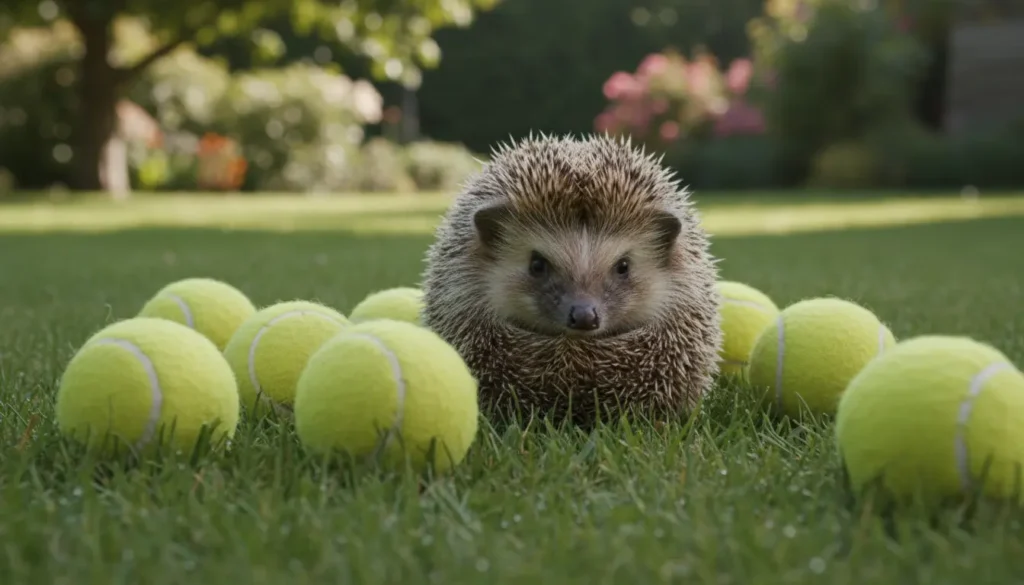
Why Use Old Tennis Balls to Create a Safer Garden for Birds and Hedgehogs
Old tennis balls are durable, brightly colored, and soft enough to reduce injury risk. Reusing them in garden projects is low-cost and can reduce hazards for birds and hedgehogs when done carefully.
This guide explains safe, practical ways to use old tennis balls to protect wildlife while keeping your garden tidy and accessible.
Safety First: Preparing Old Tennis Balls for Garden Use
Start by inspecting each tennis ball for loose felt, holes, or crumbling rubber. Remove balls that are falling apart to prevent ingestion or entanglement.
Clean balls in warm soapy water and rinse well. Avoid strong chemical cleaners that leave residues. Let them dry in the sun before use.
Materials and tools you will need
- Old tennis balls (cleaned and intact)
- Sharp utility knife or craft blade
- Strong garden twine or thin cord
- Drill with a small bit (optional)
- Scissors and a marker
- Gloves and eye protection
Three Easy Projects Using Old Tennis Balls
1. Cap Sharp Stakes and Posts
Sharp metal stakes, fence posts, and rebar can injure hedgehogs that wander at night. Tennis balls make quick, visible caps that cushion sharp ends.
How to do it:
- Cut a straight slit about 2–3 cm long into the ball with a utility knife.
- Squeeze the ball slightly and push it over the stake top so it grips the post.
- Trim the slit to fit snugly. Replace caps when worn.
Benefits: Caps are visible in low light and prevent curious animals from being punctured.
2. Make Netting and Pond Markers to Protect Birds
Birds often collide with garden netting or get entangled in fine mesh. Adding bright markers increases visibility and reduces accidents.
How to do it:
- Drill two small opposite holes through the ball, or cut a short slit for threading.
- Thread twine through and tie the ball at regular intervals along net edges and across pond safety nets.
- Use contrasting colors to the background for best visibility.
Benefits: Marked netting is easier for birds to see and avoid, cutting entanglement risk.
3. Create Temporary Ground Feed Cups for Birds
Old tennis balls can become shallow cups for ground feeders like robins or thrushes when modified carefully.
How to do it:
- Cut the ball in half cleanly.
- Place the half-ball on a flat stone or saucer to stabilize it.
- Fill with a small amount of seed or low-salt suet and remove daily to avoid rot.
Safety tips: Clean and replace these cups frequently to prevent mold. Do not leave wet food out in warm weather.
Design Considerations for a Safer Garden for Birds and Hedgehogs
Use tennis balls as part of a wider strategy. Hedgehogs need easy ground access, so avoid making continuous high barriers.
Leave deliberate access gaps in fences (about 13 x 13 cm) and create low piles of leaves or logs for shelter. Use tennis ball projects to reduce immediate hazards, not to replace habitat improvements.
Hedgehogs travel up to 2 kilometres a night when foraging. Simple obstacles like exposed stakes can cause avoidable injuries during these travels.
Maintenance and Periodic Checks
Inspect tennis ball installations every few weeks. Look for cracking, mold, or loose parts that could harm animals.
Replace or remove worn balls, and clean feeder cups regularly. If you use twine, ensure it remains taut and cannot tangle wildlife.
Small Case Study: A Local Garden Project
Mrs. Patel in a suburban neighborhood reused around 30 old tennis balls to cap stakes and mark her pond netting. Within a month she noticed songbirds using the garden more and a hedgehog visiting the leaf pile at night.
She reported fewer net entanglements and felt the bright caps made mowing and night work safer. Mrs. Patel replaced the balls biannually and praised the low cost and quick setup.
Do’s and Don’ts When Using Old Tennis Balls
- Do clean balls thoroughly and check for degradation.
- Do use bright colors for visibility near ponds and netting.
- Don’t leave shredded or crumbling balls in the garden.
- Don’t use strong adhesives or coatings that may off-gas and harm wildlife.
Final Tips to Create a Safer Garden for Birds and Hedgehogs
Combine tennis ball fixes with good habitat practices: provide shallow water, leave natural ground cover, and create hedgehog-friendly fence gaps.
Small, well-maintained changes like capping stakes and marking netting can reduce injury risks and encourage wildlife to visit your garden safely.