Why Start Composting at Home
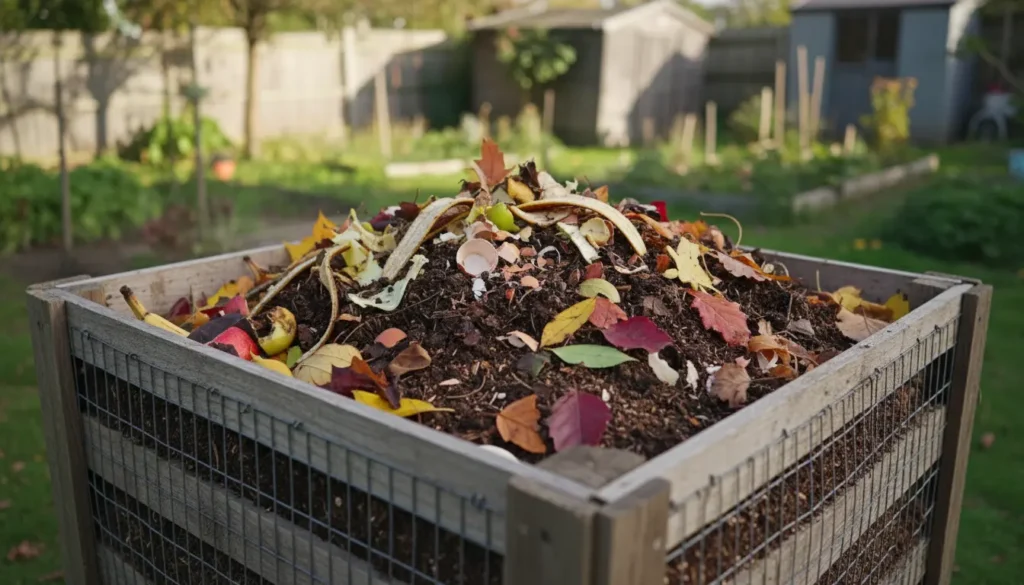
Composting at home turns kitchen scraps and yard waste into a valuable soil amendment. It reduces household waste, lowers landfill methane, and improves garden soil structure.
Many beginners start with small goals: cut waste by 25% and make a nutrient-rich product for potted plants or garden beds.
What You Need to Start Composting at Home
Setting up a home compost system is inexpensive and flexible. You can use a simple pile, a tumbler, or a stationary bin depending on space and budget.
Choosing a Compost Bin or Pile
- Backyard pile: Free and simple for large yards.
- Compost bin: Contained and neater; good for suburban spaces.
- Tumbler: Faster mixing and fewer pests; pricier but low maintenance.
- Indoor bokashi or worm bin: Best for apartments and food waste diversion.
Best Materials to Compost
Balance carbon-rich “browns” and nitrogen-rich “greens” to keep decomposition active. Aim for roughly 3 parts browns to 1 part greens by volume.
- Greens: vegetable scraps, fruit peels, coffee grounds, fresh grass clippings.
- Browns: dry leaves, shredded paper, straw, small wood chips.
- Avoid: meat, dairy, oily foods, diseased plants, and pet waste in most home systems.
Step-by-Step: How to Start Composting at Home
Follow these practical steps to get a working system that produces compost in months, not years.
- Pick a location: Shaded, level ground near a water source if possible.
- Prepare the base: Lay coarse twigs or straw for drainage and airflow.
- Layer materials: Start with a layer of browns, add a layer of greens, then cover with browns to reduce odor and flies.
- Maintain moisture: Keep the pile damp like a wrung-out sponge. Water during dry spells.
- Turn regularly: Every 1–2 weeks for faster composting; tumblers make this easy.
- Monitor temperature: A hot pile (135–160°F or 57–71°C) breaks down materials faster; smaller piles may be cooler and slower.
Common Problems and How to Fix Them
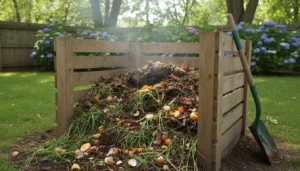
Home composting can be straightforward if you know common issues and solutions. Most problems relate to balance, moisture, or air.
Odor
Cause: Too many greens or lack of oxygen. Fix: Add dry browns, turn the pile, and reduce wet food inputs temporarily.
Pests and Flies
Cause: Exposed food scraps. Fix: Bury food under browns, use a closed bin or tumbler, or switch to bokashi for indoor food waste.
Slow Breakdown
Cause: Pile too dry, too small, or lacking nitrogen. Fix: Add water, increase pile size, add green materials, and mix to introduce oxygen.
Small Real-World Example: Neighborhood Compost Experiment
A suburban household converted a 3×3 foot corner into a compost station using a two-bin system. They collected food scraps and yard waste for six months and tracked results.
- Initial input: 180 kg of combined kitchen and yard waste over 6 months.
- Maintenance: Turned every 10 days, added dry leaves from neighbors in fall.
- Output: 60 kg of finished compost used in vegetable beds and potted herbs.
- Outcome: Reduced weekly trash volume by 30% and improved tomato yields the next season.
This example shows modest space and effort can produce useful compost and measurable waste reduction.
Compost can retain up to 20% more water in soil, reducing irrigation needs and helping plants survive dry spells.
How to Tell When Compost Is Ready
Finished compost is dark brown, crumbly, and has an earthy smell. Most recognizable pieces of original materials should be gone or unidentifiable.
Screen it or let it cure for a few weeks before applying to sensitive seedlings or transplant roots.
Tips to Use Finished Compost
- Topdress lawns or beds with a thin layer to improve soil gradually.
- Mix compost into potting mixes at 10–30% by volume for houseplants.
- Blend with native soil when planting trees or shrubs to boost structure and microbes.
Final Practical Checklist to Start Composting at Home
- Choose a bin or pile that fits your space and budget.
- Collect a mix of greens and browns; maintain moisture and airflow.
- Turn or mix regularly and monitor for pests or odors.
- Use finished compost to improve soil, save water, and reduce waste.
Composting at home is a small habit with lasting benefits. Start small, observe how your system behaves, and adjust the balance of materials to suit your climate and garden needs.