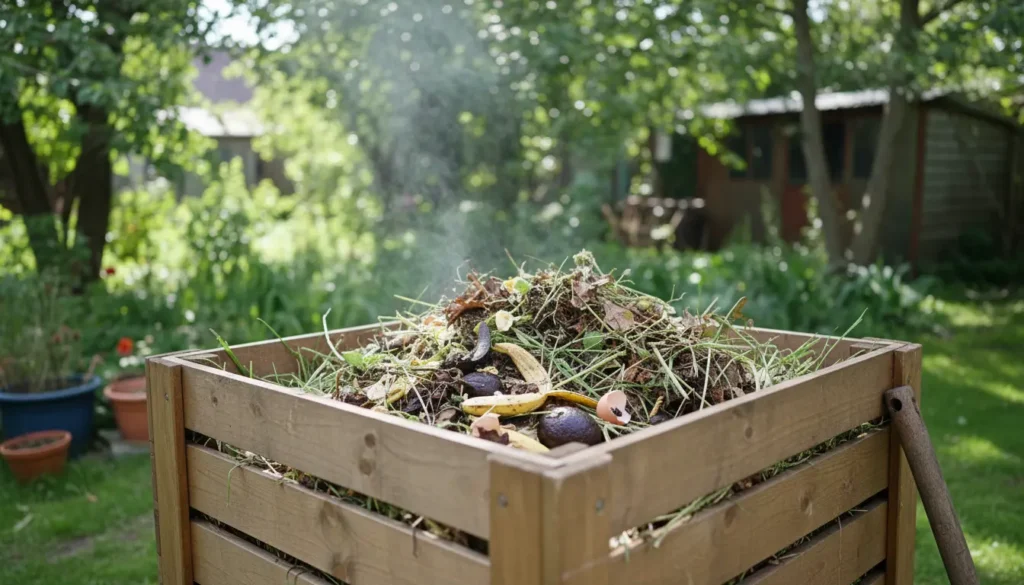
Home composting turns kitchen and garden waste into nutrient-rich soil. This guide explains clear, practical steps to start home composting, choose the right system, and maintain a healthy pile.
Why Home Composting Matters
Home composting reduces household waste and returns nutrients to your garden. It cuts landfill contributions and lowers methane emissions when organic waste is diverted from trash.
Compost improves soil structure, water retention, and plant health. Even small efforts—like composting fruit peels—can make a measurable difference.
How To Start Home Composting
Starting home composting is a straightforward process: pick a method, gather materials, and balance carbon and nitrogen. The basics are consistent whether you use a bin, tumbler, or pile.
Choose a Compost System
Select a system based on space, effort, and budget. Popular options include bins, tumblers, and vermicomposting for indoor use.
- Compost bin: Affordable and keeps pests out. Good for yards and beginners.
- Compost tumbler: Faster turning and easier mixing. Requires periodic rotation.
- Vermicomposting: Uses worms indoors. Great for apartments and small kitchens.
What To Compost and What Not To Compost
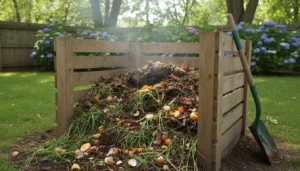
Successful home composting depends on the right materials. Aim for a mix of ‘greens’ (nitrogen) and ‘browns’ (carbon).
- Greens (use liberally): Vegetable and fruit scraps, coffee grounds, tea bags, fresh grass clippings.
- Browns (add for balance): Dry leaves, shredded paper, cardboard, straw, wood chips.
- Avoid or limit: Meat, dairy, oils, diseased plants, pet waste, and cooked foods that attract pests.
Balance, Aeration, and Moisture
A good compost has a roughly 30:1 carbon-to-nitrogen ratio by weight, but practical balance is often achieved by layering browns and greens. If the pile smells, add more browns; if it’s dry, add water and more greens.
Turn the pile every 1–2 weeks to add oxygen and speed decomposition. Aeration reduces odors and encourages beneficial microbes.
Maintaining Your Home Composting System
Regular maintenance keeps decomposition steady and prevents common problems. Simple checks once a week are enough for most systems.
- Turn or rotate the compost to mix materials and add oxygen.
- Monitor moisture: compost should feel like a wrung-out sponge.
- Chop or shred large items to speed breakdown.
- Add a handful of finished compost or garden soil to introduce microbes.
Speeding Up the Process
To speed composting, increase surface area by shredding materials and maintain consistent moisture and temperature. Using a tumbler or smaller, well-balanced piles can reduce time to finished compost.
Compost can reach temperatures of 130–160°F (54–71°C) in active piles, which helps kill weed seeds and pathogens when managed properly.
Troubleshooting Common Problems
Home composting issues are usually solvable with small adjustments. Identify the symptom and apply the corresponding fix.
- Bad odor: Add dry browns and turn the pile for more aeration.
- Too dry: Add water and more greens, then mix well.
- Slow decomposition: Chop materials finer, increase moisture, or add high-nitrogen greens.
- Pests: Avoid meat and cooked foods; use enclosed bins or bury new food scraps in the pile.
Small Real-World Example
Case: A two-person household in a row house started composting in a 40-gallon bin. They saved fruit and vegetable scraps for two months, balancing each addition with shredded cardboard and dry leaves.
After six weeks of weekly turning, the bin produced dark, crumbly compost used in window boxes. Their trash volume dropped by 30% and plants showed better growth in summer.
Practical Tips and Final Checklist
Use this checklist to keep home composting simple and effective. These small habits make a big difference over time.
- Set a convenient spot near the kitchen for a small countertop caddy.
- Layer greens and browns with each addition to maintain balance.
- Turn or rotate weekly for faster results.
- Keep a bin thermometer or simply feel for warmth to judge activity.
- Harvest finished compost when it is dark and crumbly, then use it to top-dress soil or mix into potting mix.
Home composting is a low-cost, high-impact way to reduce waste and improve garden health. Start small, keep the balance right, and adjust as you learn what works best for your home and climate.