Why Choose a Small Space Vegetable Garden
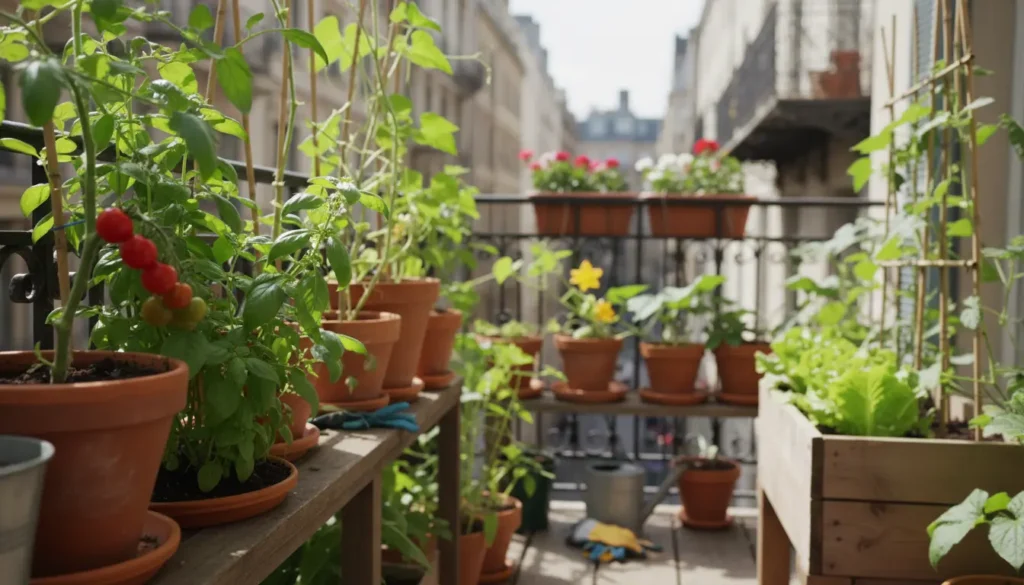
Growing vegetables in a small space is practical and rewarding. It allows people who live in apartments or have tiny yards to harvest fresh produce year-round.
Small space vegetable gardens reduce trips to the store and cut food costs. They also improve mental health and increase access to healthy food.
Planning Your Small Space Vegetable Garden
Start by assessing sunlight, wind, and available square footage. Most vegetables need at least 4–6 hours of direct sun per day.
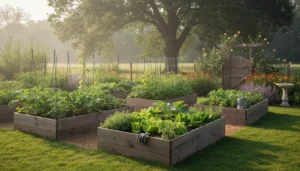
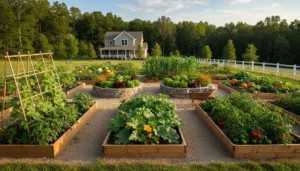
Decide whether you will use containers, raised beds, wall planters, or a combination. Each option has different soil and watering needs.
Choose the Right Location for a Small Space Vegetable Garden
Place the garden in the sunniest spot you can access easily. Consider proximity to a water source for convenient watering.
If sunlight is limited, select shade-tolerant crops like leafy greens and herbs. Track sun patterns for a week to confirm light levels.
Best Vegetables for Small Space Gardening
Pick compact, high-yield plants for the best results. Focus on fast-growing varieties and those bred for containers.
- Leafy greens: lettuce, spinach, arugula
- Compact fruiting plants: cherry tomatoes, patio peppers
- Root crops in deep pots: radishes, carrots
- Herbs: basil, parsley, chives
- Vining plants trained vertically: beans, peas, cucumbers
Seed vs. Starter Plants
Seeds are cheaper and offer more variety but take longer. Starter plants give faster harvests and are easier for beginners.
Use seedlings for tomatoes and peppers. Sow lettuce and radishes from seed for continuous harvests.
Containers, Soil, and Drainage for a Small Space Vegetable Garden
Choose containers with drainage holes to prevent root rot. Use pots sized appropriately for the crop; deeper pots for root vegetables, wider pots for spreading plants.
Use a high-quality potting mix that is light and drains well. Avoid garden soil in containers because it compacts and limits root growth.
Soil Mix Tips for Small Space Vegetable Garden
Mix equal parts peat-free compost, coconut coir or composted bark, and perlite or coarse sand. This blend holds moisture while allowing air to roots.
Add slow-release organic fertilizer at planting, then feed with liquid feed every 2–4 weeks during the growing season.
Watering and Feeding in a Small Space Vegetable Garden
Consistent moisture is critical in containers because they dry faster than ground beds. Water deeply until water runs from drainage holes.
Use a watering can or drip system for precision. Mulch container surfaces with straw or shredded bark to reduce evaporation.
Fertilizing a Small Space Vegetable Garden
Vegetables in containers need regular feeding. Use balanced liquid fertilizer or fish emulsion every 2–3 weeks.
Watch for signs of nutrient deficiency like yellowing leaves or stunted growth and adjust feeding accordingly.
Pest and Disease Management in Small Space Vegetable Gardens
Small spaces can concentrate pests, but prevention is effective. Start with healthy soil and clean containers to reduce pests and diseases.
Inspect plants weekly and remove affected leaves. Use physical barriers like mesh or row covers to protect vulnerable crops.
Organic Controls for a Small Space Vegetable Garden
Introduce beneficial insects where possible and use insecticidal soaps for soft-bodied pests. Neem oil is effective against many common problems.
Rotate crops between seasons if you use the same containers for the same plants to lower disease pressure.
Maximizing Yield from a Small Space Vegetable Garden
Use vertical space with trellises, wall planters, or hanging baskets to increase planting area. Train vining crops up supports to conserve ground space.
Practice succession planting by sowing new seeds every few weeks for continuous harvests. Interplant fast and slow crops together to maximize productivity.
Companion Planting Examples
- Tomatoes with basil to improve flavor and reduce pests
- Radishes with carrots to mark rows and deter pests
- Lettuce under taller plants for shade and soil protection
Raised beds and containers can warm earlier in spring, allowing you to plant up to two weeks sooner than in-ground gardens. This helps extend the growing season in temperate climates.
Simple Case Study: Balcony Garden That Fed a Family
In 2022 a two-person household converted a 6-foot balcony into a small space vegetable garden. They used four 10-inch pots, a 3×2 foot raised trough, and a vertical trellis.
They planted cherry tomatoes, herbs, lettuce, radishes, and pole beans. Over one season they harvested frequent salads and saved about $120 in grocery produce.
Their success came from daily watering, weekly liquid feed, and training beans up the trellis to maximize space.
Seasonal Care and Winter Tips for a Small Space Vegetable Garden
In colder climates move containers to a sheltered spot or insulate pots with bubble wrap. Drain and store non-porous containers if temperatures will freeze deeply.
Switch to winter crops like kale and spinach for cold-season harvests. Use cold frames or cloches to extend the growing season where possible.
Quick Checklist to Start Your Small Space Vegetable Garden
- Assess sun and choose the best location
- Select suitable containers and ensure drainage
- Use high-quality potting mix and add fertilizer
- Pick compact, fast-growing varieties
- Water consistently and mulch to retain moisture
- Protect plants from pests and rotate crops seasonally
Starting a small space vegetable garden is achievable with a little planning and consistent care. Focus on location, soil quality, and selecting the right crops for the best results.