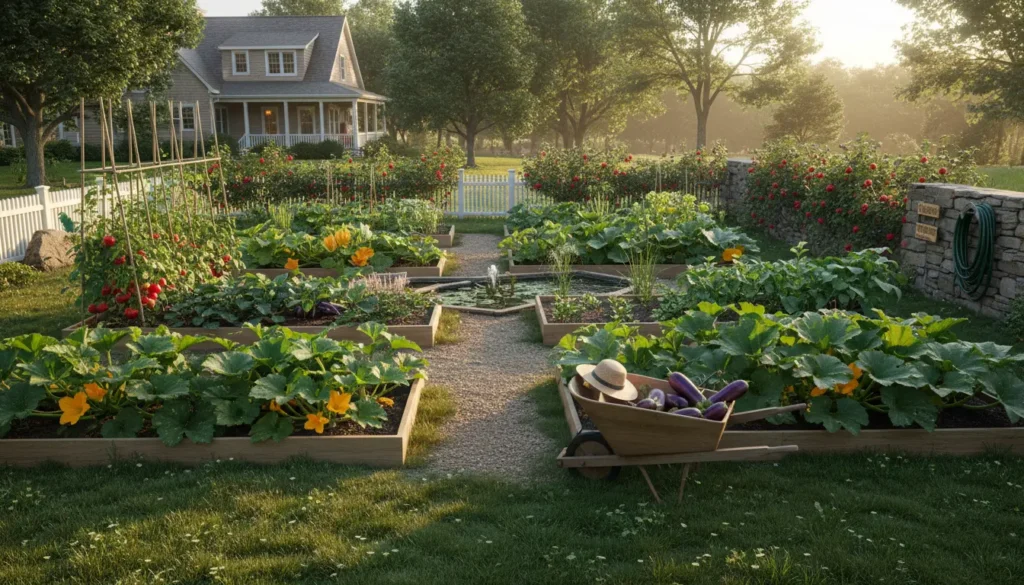
Why Start a Small Vegetable Garden
Growing vegetables in a small space saves money, improves food quality, and gives you control over what you eat. A compact garden is easier to manage and can fit a balcony, patio, or small backyard.
For beginners, small gardens reduce complexity and help you learn the basics without being overwhelmed. This guide shows practical steps to plan, plant, and maintain a small vegetable garden.
Planning Your Small Vegetable Garden
Choose a location for your small vegetable garden
Pick a spot that gets at least 6 hours of direct sun for most vegetables. Good drainage and easy access to water are essential.
Pay attention to wind exposure and nearby trees that could compete for light and nutrients. A sunny, sheltered area near the house is often best.
Decide what to grow in your small vegetable garden
Start with 3–6 easy crops suited to your climate and season. Choose varieties labeled “compact”, “bush”, or “patio” for limited space.
- Leafy greens: lettuce, spinach, arugula
- Herbs: basil, parsley, chives
- Compact fruiting plants: cherry tomatoes, bush beans, peppers
- Root crops: radishes, baby carrots
Design and Layout Tips for a Small Vegetable Garden
Plan beds or containers to match the space. Raised beds of 3–4 feet wide are easy to reach from both sides.
Use vertical supports for vining plants to save ground space, and group plants by water needs to simplify care.
Simple layout example
A 4×8 foot raised bed can grow a mix of salad greens, 2 tomato plants, a row of beans, and herbs along the edge. Rotate crops each season to reduce pests and soil depletion.
Soil Preparation and Planting
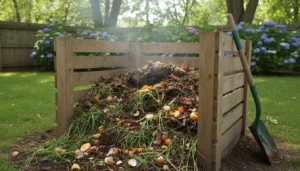
Good soil is the foundation of a productive small vegetable garden. Use a mix of topsoil, compost, and well-draining material in raised beds or containers.
Test soil pH if possible; most vegetables prefer pH 6.0–7.0. Add balanced organic fertilizer or compost to supply nutrients.
Planting tips
- Sow seeds at the depth recommended on the packet.
- Space plants according to mature size to avoid overcrowding.
- Stagger plantings of quick crops like lettuce every 2–3 weeks for continuous harvest.
Watering and Maintenance for a Small Vegetable Garden
Consistent moisture is more important than frequent light watering. Water deeply once or twice a week depending on weather and soil type.
Mulch around plants to retain moisture, suppress weeds, and moderate soil temperature. Organic mulches like straw or shredded leaves work well.
Pest and disease basics
Inspect plants weekly for pests or disease. Remove affected leaves promptly and use physical controls like row covers or hand-picking for small outbreaks.
Encourage beneficial insects by planting flowers like calendula or alyssum nearby. Crop rotation and diverse planting reduce disease pressure.
Raised beds can warm earlier in spring, letting you plant cool-season crops up to 2–3 weeks sooner than traditional rows.
Harvesting and Extending the Season
Harvest vegetables at peak ripeness to encourage more production. Harvest greens by outer leaves to allow continuous growth.
To extend the season, use row covers, cold frames, or a small hoop house. Choose fast-maturing varieties in short seasons.
Case Study: A Small Vegetable Garden that Worked
Maria had a 6×4 foot corner of her patio and started a raised bed with composted soil. In her first season she planted cherry tomatoes, basil, lettuce, and radishes.
Using weekly watering and mulch, she harvested salad greens for four months and 8–10 pints of cherry tomatoes. Simple staking and pruning reduced disease and improved yields.
Her cost was under $120 for materials and soil, and she estimates the garden paid for itself in the first season in food value and satisfaction.
Common Mistakes to Avoid in a Small Vegetable Garden
- Overcrowding plants — reduces air flow and increases disease risk.
- Ignoring soil quality — topsoil alone often lacks nutrients and organic matter.
- Watering inconsistently — leads to stress and poor yields.
Quick Start Checklist for a Small Vegetable Garden
- Pick a sunny, accessible location.
- Choose 3–6 beginner-friendly crops.
- Prepare soil with compost and test pH if possible.
- Plant at correct depth and spacing; mulch beds.
- Water deeply and inspect weekly for pests.
- Harvest regularly and rotate crops yearly.
Starting a small vegetable garden is an achievable project with clear steps. Begin with a modest plan, focus on good soil and consistent care, and build skills season by season.