Quick overview
Starting a small vegetable garden is achievable even with limited space and time. This guide gives clear, practical steps to plan, plant, and maintain a productive garden using common tools and low-cost materials.
Choose a Spot to Start a Small Vegetable Garden
Location is the first decision for success. Most vegetables need 6–8 hours of direct sunlight each day.
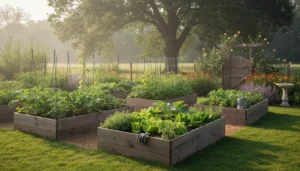
Consider these factors when selecting a site:
- Sun exposure — record sun hours across a typical day.
- Access to water — place beds near a hose or rain barrel.
- Protection from wind — use a fence or hedge if needed.
- Ease of access — keep paths clear for planting and harvesting.
Small spaces and container options
If you have a balcony, patio, or small yard, containers, half-barrels, and raised beds work well. Choose containers at least 12 inches deep for most vegetables.
Prepare Soil and Containers
Good soil feeds plants. For in-ground beds, add compost and loosen soil to a depth of 8–12 inches. For containers, use a high-quality potting mix with good drainage.
Basic soil mix for containers:
- 40% potting mix
- 30% compost
- 30% perlite or coarse sand for drainage
Testing and improving soil
Use a simple soil test kit to check pH and nutrients. Most vegetables prefer pH 6.0–7.0. Add lime if soil is too acidic or sulfur if it is too alkaline.
Plan What to Plant
Choose vegetables that match your climate, space, and taste. For small gardens, focus on high-yield, space-efficient crops.
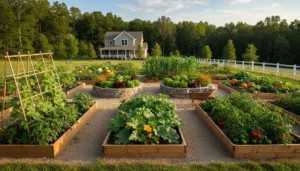
Good choices for small spaces:
- Leafy greens: lettuce, spinach, chard
- Herbs: basil, parsley, cilantro
- Compact tomatoes or determinate varieties
- Peppers, radishes, bush beans
- Vertical growers: peas, pole beans, cucumbers trained up a trellis
Succession planting and timing
Stagger plantings every 2–3 weeks for continuous harvest. Read seed packets for days to maturity to plan planting dates.
Planting and Watering
Plant seedlings at the same depth they grew in their pots. For seeds, follow spacing instructions closely to avoid overcrowding.
Watering tips for a small vegetable garden:
- Water deeply and less often to encourage strong roots.
- Early morning is the best time to water.
- Mulch with straw or wood chips to retain moisture and reduce weeds.
Simple irrigation options
Install a drip line or soaker hose for consistent watering. Use a timer if you are away often.
Manage Pests and Diseases
Prevention is the easiest control method. Maintain plant health with good soil and proper spacing to reduce disease pressure.
Low-toxicity pest controls:
- Hand-pick larger pests like caterpillars.
- Use insecticidal soap for aphids and soft-bodied insects.
- Encourage beneficial insects with flowers like marigolds and calendula.
Monitoring and quick response
Check plants weekly. Remove diseased leaves and isolate affected containers to prevent spread.
Harvesting and Ongoing Care
Harvest regularly to encourage more production. Pick leafy greens when young for better flavor.
End-of-season notes:
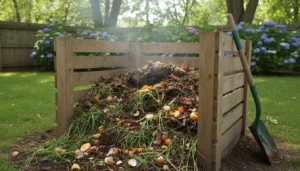
- Remove spent plants and add them to compost.
- Top up soil with compost for the next season.
Case Study: A Balcony Vegetable Garden
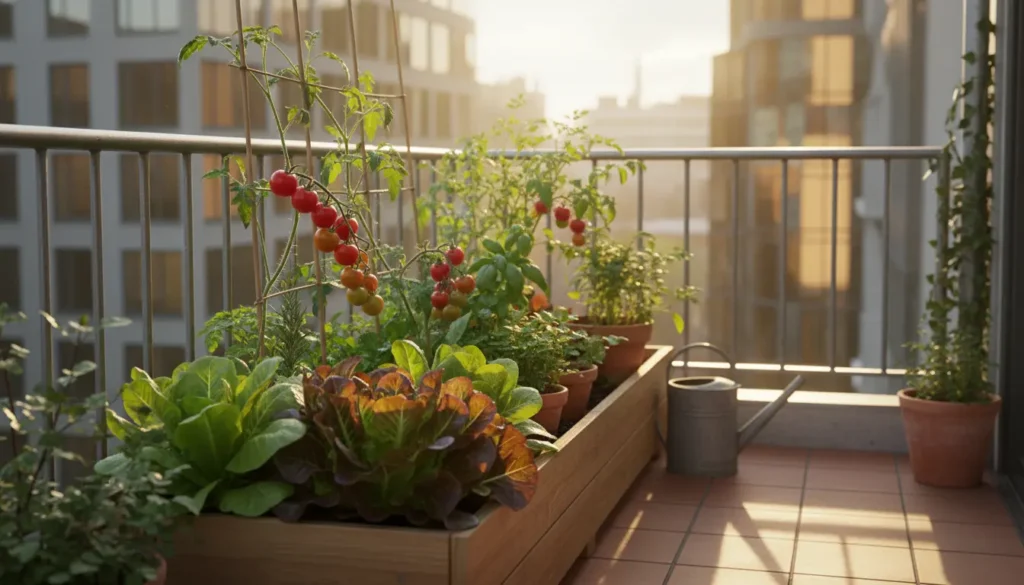
Maria, a city renter, started a small vegetable garden on a 6-foot balcony. She used two 4×2-foot raised troughs and three 12-inch pots.
Her choices and results:
- Planted cherry tomatoes, basil, lettuce, and bush beans.
- Used a commercial potting mix and added compost at planting.
- Installed a drip emitter system on a timer for six minutes each morning.
- Harvested salad greens weekly and picked tomatoes throughout summer, yielding enough for daily salads and occasional sharing with neighbors.
Maria’s small garden required about 30 minutes of care most days and proved that limited space can still provide fresh produce.
Simple Tools and Costs
Start with these basics: hand trowel, pruning shears, watering can or hose, soil knife, and a simple soil test kit. Costs can stay low by using recycled containers and home compost.
Budget checklist:
- Seeds or seedlings: low cost
- Soil and compost: initial investment
- Containers or raised bed materials: one-time cost
- Optional drip system: moderate cost but saves water
Final Practical Tips to Start a Small Vegetable Garden
- Start small to learn: 3–6 different crops is manageable.
- Keep a simple garden journal to track planting dates and results.
- Rotate crops yearly to prevent soil-borne diseases.
- Be patient and observe—plants often tell you what they need.
Follow these steps and adjust to your conditions. With basic planning and routine care, you can reliably start a small vegetable garden and enjoy fresh homegrown produce.