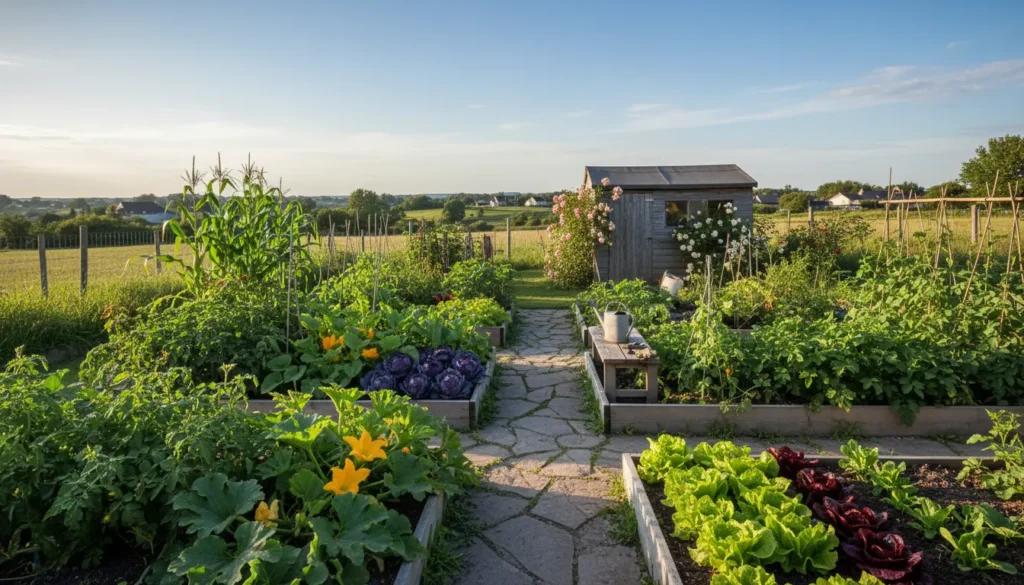
Starting a vegetable garden is one of the most rewarding hands-on projects you can do at home. This guide walks through the basic steps to plan, plant, and maintain a productive vegetable garden using simple, repeatable practices.
Why Start a Vegetable Garden
A vegetable garden gives you fresh produce, saves money, and connects you with the seasons. Growing food at home also lets you control soil quality and reduce food miles.
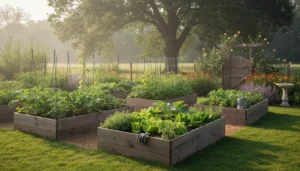
Even a small plot or a few containers can supply herbs and salad greens all season. The key is planning and consistent care.
Choose the Right Spot to Start a Vegetable Garden
Location matters when you start a vegetable garden. Most vegetables need full sun — at least six hours of direct sunlight each day.
Look for a level area with good drainage and easy access to water. If you have limited space, choose containers or raised beds placed on a sunny patio or balcony.
Sunlight, Soil, and Access
- Sunlight: Aim for 6–8 hours of sun for tomatoes, peppers, and most vegetables.
- Soil: Avoid compacted or waterlogged areas. Good soil is loose, crumbly, and slightly sweet-smelling.
- Access: Place the garden near a water source and where you will walk by often for maintenance.
Plan What to Plant in Your Vegetable Garden
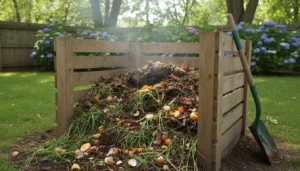
Choose vegetables that match your climate, soil, and the amount of sun you have. Start with easy, fast-growing crops to build experience.
Consider planting a mix of quick harvests and longer-season crops to keep the garden productive.
Beginner-Friendly Vegetables
- Leafy greens: Lettuce, spinach, arugula — quick and forgiving.
- Root crops: Radishes and carrots — easy in loose soil.
- Nightshades: Tomatoes and peppers — productive in warm, sunny spots.
- Beans and peas: Provide nitrogen and are low maintenance.
Prepare Soil and Beds for Your Vegetable Garden
Good soil is the foundation when you start a vegetable garden. Focus on structure, organic matter, and proper pH for most vegetables (6.0–7.0).
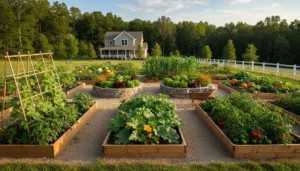
Amend soil with compost and aged manure before planting. For poor soil, raised beds with a mix of topsoil and compost can jump-start productivity.
Planting, Watering, and Care for a Vegetable Garden
Plant seeds or transplants at the right depth and spacing listed on seed packets. Follow planting dates for your climate zone to avoid frost damage or heat stress.
Water deeply and less often rather than shallow frequent watering. Aim to keep the root zone consistently moist during germination and fruiting.
Mulch, Fertilize, and Pest Management
- Mulch with straw or wood chips to conserve moisture and suppress weeds.
- Use balanced organic fertilizer or compost tea during the growing season for steady growth.
- Monitor pests early and use physical barriers, handpicking, or organic sprays as needed.
Companion planting, such as marigolds near tomatoes, can reduce pest pressure naturally. Some herbs like basil also improve the flavor and growth of nearby tomatoes.
Harvesting and Seasonal Care in Your Vegetable Garden
Harvest vegetables promptly when ripe; frequent harvesting can increase total yield. Learn the signs of ripeness for each crop — for example, snap peas should be plump and crisp, while tomatoes should give slightly to the touch.
At season end, clear spent plants, add compost to beds, and consider cover crops to protect and rebuild soil for next year.
Real-World Example: Small Backyard Vegetable Garden
Case study: A homeowner with a 10 x 6 foot sunny patch converted it into two 4 x 3 raised beds. They filled beds with a 60/40 topsoil-compost mix and planted tomatoes, lettuce, carrots, and bush beans.
In the first season they harvested regular salads and enough tomatoes for canning. Key wins were drip irrigation, weekly compost topdressing, and rotating beans to restore nitrogen.
Quick Checklist to Start a Vegetable Garden
- Pick a sunny location and measure available space.
- Test or evaluate soil and add compost if needed.
- Choose 4–6 beginner crops suited to your season.
- Decide on in-ground beds, raised beds, or containers.
- Plant at proper times, water deeply, and mulch after seedlings establish.
- Monitor pests, fertilize carefully, and harvest regularly.
Starting a vegetable garden is manageable with modest planning and daily attention. Begin with a small, well-placed plot and expand as you gain confidence and success. Use the checklist and steps above to plan your first season and enjoy fresher, healthier food from your own yard.