How to Start a Vegetable Garden for Beginners: Quick Overview
Starting a vegetable garden is achievable with a modest plan and a few core skills. This guide walks you through site selection, soil preparation, planting, maintenance, and harvesting for steady success.
Plan Before You Plant
Good planning reduces wasted time and money. Decide what you want to grow, how much space you have, and how much time you can commit each week.
Choose what to grow

Begin with easy, high-yield vegetables that match your climate. Consider:
- Leafy greens (lettuce, spinach)
- Root vegetables (radishes, carrots)
- Warm-season crops (tomatoes, beans, zucchini)
Decide on a garden type
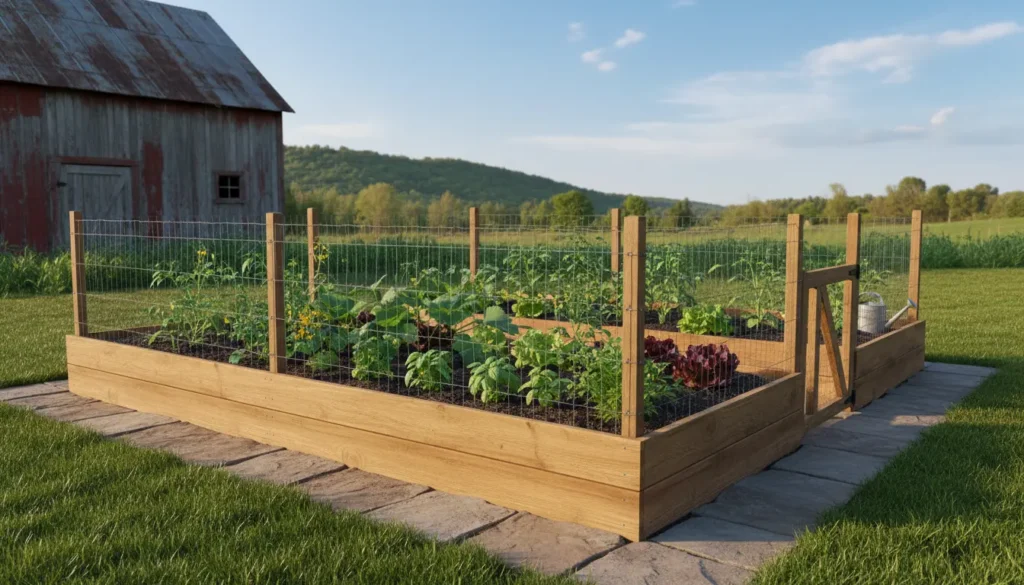
Options include in-ground rows, raised beds, and containers. Raised beds are ideal for beginners because they warm faster and offer better drainage.
Choose a Location to Start a Vegetable Garden for Beginners
Location determines light, water access, and soil conditions. Most vegetables require 6–8 hours of direct sun daily.
Sun and shelter

Pick a spot with the most consistent sunlight. Avoid low hollows where frost or standing water collects.
Water access and convenience
Locate your garden near a water source and your house. A convenient location encourages regular care and saves time hauling water.
Soil Preparation and Composting
Soil quality matters more than garden size. Test and improve soil before planting for stronger plants and higher yields.
Test and amend soil

Use a basic soil test to check pH and nutrient levels. Most vegetables prefer pH 6.0–7.0. Add lime for acidic soils or sulfur for alkaline soils as needed.
Add organic matter
Work in 2–4 inches of compost or well-rotted manure to improve structure and fertility. Mulch around plants to conserve moisture and suppress weeds.
Planting Basics to Start a Vegetable Garden for Beginners
Know your frost dates and plant accordingly. Use seed packets for spacing, or buy seedlings for a faster start.
Timing and spacing
Follow seed packet instructions for depth and spacing. Overcrowding reduces airflow and increases disease risk.
Succession planting
To maintain a steady harvest, plant fast crops every 2–3 weeks, or stagger plantings across beds.
Watering and Feeding
Consistent watering encourages healthy roots and predictable growth. Deep, infrequent watering is better than shallow, frequent sprays.
Watering tips
- Water early in the morning to reduce evaporation and disease.
- Soak the soil to a depth of 6–8 inches rather than wetting just the surface.
- Use drip irrigation or soaker hoses to target roots and conserve water.
Fertilizing basics
Start with a balanced organic fertilizer, or side-dress with compost during the growing season. Avoid excess nitrogen, which promotes foliage at the expense of fruit.
Pest and Disease Management
Observe plants regularly and act early. Integrated pest management (IPM) reduces chemical needs and protects beneficial insects.
Common strategies
- Hand-pick large pests like slugs and caterpillars.
- Use row covers to protect seedlings from birds and insects.
- Rotate crop families each year to reduce soil-borne diseases.
Harvesting and Storage
Harvest vegetables at peak ripeness for best flavor and nutrition. Frequent harvesting can extend production for many plants.
Simple storage tips
- Leafy greens: refrigerate in a damp towel for up to a week.
- Tomatoes: store at room temperature until ripe.
- Root vegetables: cool, dark storage can last months.
Planting marigolds near vegetable beds can reduce certain nematode pests and attract pollinators. Companion planting is a low-cost way to support garden health.
Tools and Materials Checklist
Gathering a few reliable tools makes tasks faster and easier. For a small vegetable garden, focus on quality over quantity.
- Spade or shovel
- Hand trowel and cultivator
- Garden fork for turning soil
- Pruners or scissors
- Watering can or hose with a gentle nozzle
Real-World Example: Small Raised Bed Case Study
Emma set up a 4×8 ft raised bed in her urban backyard. She filled it with a 60/40 mix of compost and topsoil and planted tomatoes, bush beans, lettuce, and carrots.
In the first season she watered deeply twice per week, added a 1-inch layer of compost midseason, and used row covers early to protect seedlings. Her yield included six tomato plants producing 25–30 tomatoes each, five harvests of lettuce, and continuous beans for two months.
Her initial investment was under $200 for lumber, soil, and tools, and she recovered value within one season through reduced grocery trips and fresh produce quality.
Common Beginner Mistakes and How to Avoid Them
- Planting too densely — follow spacing instructions to avoid disease.
- Overwatering — check soil moisture before each watering.
- Skipping soil improvement — poor soil leads to poor results.
Final Checklist to Start a Vegetable Garden for Beginners
- Choose a sunny location near water.
- Decide garden type: raised bed, container, or in-ground.
- Test and amend soil with compost.
- Start with easy crops and stagger plantings.
- Water deeply, monitor pests, and harvest regularly.
Start small, learn each season, and expand as your confidence grows. A modest, well-maintained vegetable garden quickly becomes a reliable source of fresh food and a satisfying hobby.



