How to Start a Vegetable Garden: A Practical Guide
Starting a vegetable garden at home is a practical way to grow fresh food and save money. This guide gives step-by-step instructions for beginners using simple tools and common techniques.
Choose the Right Location to Start a Vegetable Garden
Pick a site with at least 6 hours of direct sunlight for most vegetables. Good drainage and easy access to water are also important for year-round care.
Location checklist
- 6+ hours of sun daily
- Flat or gently sloped ground
- Near a water source
- Away from large trees or shade
Prepare Soil and Beds
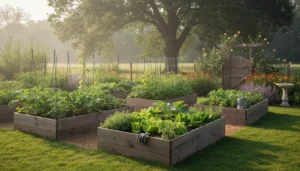
Healthy soil is the foundation for a productive garden. Test the soil if possible and add organic matter to improve structure and fertility.
Soil preparation steps
- Remove grass and weeds where you will plant.
- Loosen soil to a depth of 8–12 inches.
- Mix in compost or well-rotted manure at a rate of 2–3 inches across the bed.
- Rake the surface smooth and level before planting.
Plan What to Plant
Choose vegetables that match your climate, season, and space. Start with easy-to-grow crops if you are new to gardening.
Beginner-friendly vegetables
- Leafy greens: lettuce, spinach, kale
- Root crops: carrots, radishes, beets
- Nightshades: tomatoes, peppers (with staking)
- Beans and peas: quick yields and fix nitrogen
Planting: Seeds vs. Seedlings
Decide whether to sow seeds directly or transplant seedlings. Seeds are cheaper, but seedlings give a head start for short seasons.
Basic planting tips
- Follow spacing and depth instructions on seed packets.
- Water new seeds gently to keep soil moist until germination.
- Harden off seedlings for a week before transplanting outside.
Watering and Mulching
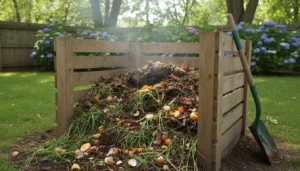
Consistent watering keeps plants healthy and productive. Mulch reduces evaporation and suppresses weeds for easier maintenance.
Watering rules
- Water deeply but infrequently to encourage deep roots.
- Morning watering reduces disease risk.
- Use drip irrigation or soaker hoses where possible.
Pest and Disease Management
Monitor plants weekly to catch pests and diseases early. Use integrated pest management (IPM) strategies that prioritize prevention and low-toxicity controls.
IPM basics
- Encourage beneficial insects like ladybugs and lacewings.
- Remove affected leaves or plants promptly.
- Use row covers for young plants to block common pests.
- Rotate crops each season to reduce soil-borne problems.
Maintenance and Harvesting
Regular tasks keep the garden productive: weeding, pruning, staking, and feeding. Harvest crops when they are at peak flavor for best results.
Simple maintenance schedule
- Weekly: weed, check moisture, inspect for pests
- Biweekly: add organic mulch or compost tea if needed
- Seasonal: rotate crops, rest beds, test soil
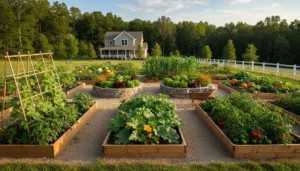
Companion planting can reduce pests and improve yields. For example, planting basil near tomatoes may improve tomato flavor and help deter pests.
Small Case Study: A Backyard Raised Bed
Maria transformed a 4×8 foot patch of lawn into a raised bed and grew summer vegetables in her first season. She used purchased soil mix and started with seedlings for a quick start.
Results: Maria harvested tomatoes, basil, and several lettuce harvests. Her total costs were modest because she reused stakes and saved seeds for the next year. Regular mulching and morning watering kept the garden low-maintenance.
Common Mistakes and How to Avoid Them
Beginners often overwater, overcrowd plants, or skip soil preparation. Avoid these mistakes to increase success in your first season.
Avoid these errors
- Overwatering: check soil moisture before watering
- Overcrowding: follow spacing guidelines for air flow
- Poor soil preparation: add compost to feed plants
Quick Startup Checklist to Start a Vegetable Garden
- Select sunny, well-drained site
- Prepare soil and add organic matter
- Choose beginner-friendly crops
- Decide on seeds or seedlings
- Set up irrigation and mulch
- Monitor for pests and harvest regularly
Final Tips to Keep Growing
Start small and expand after a successful season. Keep notes on planting dates, varieties, and yields to improve each year.
Gardening is a learning process. With basic planning and consistent care, anyone can start a vegetable garden and enjoy fresh produce at home.