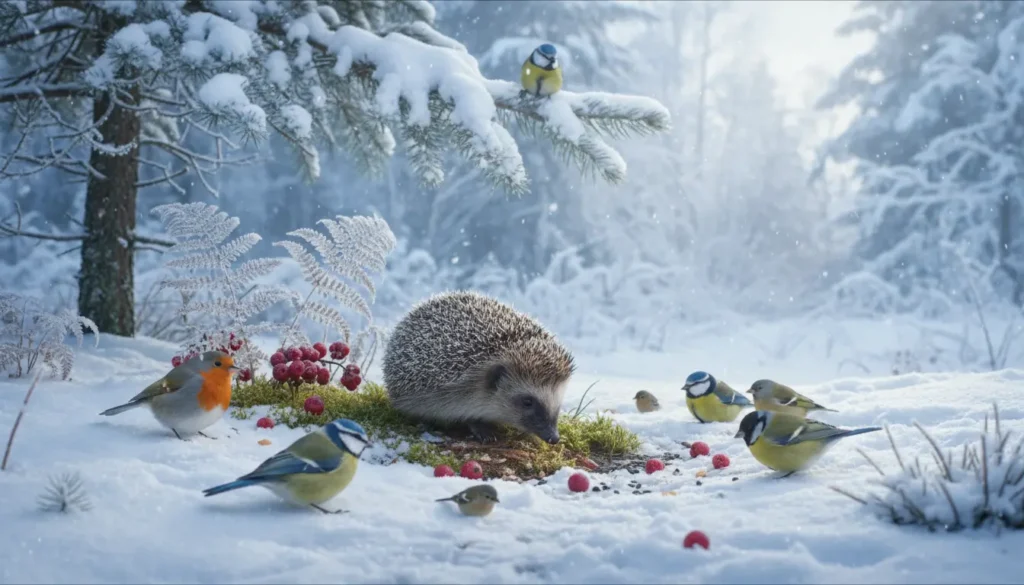
Winter is a hard time for small wildlife. Birds face food shortages and exposed roost sites, while hedgehogs need dry, insulated places to hibernate. Simple DIY changes can help both, and old tennis balls are an inexpensive, reusable option.
Why Birds and Hedgehogs Struggle in Winter
Cold, wet conditions increase energy needs for birds and can disturb roosting sites. Even short cold snaps can force birds to use more reserves hunting for food.

Hedgehogs must find dry, insulated nests to hibernate safely. Damp bedding or poorly insulated boxes increase the risk of disturbance and health problems.
How Tennis Balls Help Birds and Hedgehogs in Winter
Tennis balls are lightweight, durable, and retain some air inside—properties that can be used to reduce drafts and improve insulation. When used carefully, they can add an extra thermal layer around or under shelters.
Using Tennis Balls to Insulate Hedgehog Shelters
Place clean, whole tennis balls under the base of a hedgehog box or house to lift it off cold, damp ground. This creates an insulating air gap and improves drainage.

Steps:
- Clean old tennis balls with mild soap and water and allow to dry fully.
- Lay a small plastic or wooden base and arrange 6–10 whole balls evenly beneath it, depending on box size.
- Place the hedgehog house on the raised base, ensuring it is stable and level.
Using Tennis Balls to Draft-Proof Bird and Hedgehog Entrances
In garden birdboxes or hedgehog tunnels with obvious draughts, tennis balls can form simple wind buffers without sealing the entrance.
How-to:
- Cut a tennis ball in half only if you can ensure the animal cannot pull or ingest pieces. Use halves sparingly and never place small parts where animals might nibble.
- Fit a half-ball around a rigid entrance pipe or use whole balls nearby to break wind flow into the entrance.
- Check regularly to make sure the modification does not trap moisture or block escape routes.
Creating Raised Floors and Air Gaps

For both bird boxes and hedgehog houses, keeping the floor off the cold ground helps. Tennis balls can act as low-cost feet under a platform or base to reduce cold transfer.
Tips:
- Attach balls to a simple wooden base using screws through a washer to hold them in place.
- Leave ventilation holes higher on the box walls so airflow does not flow across the raised floor and create drafts.
Preparing and Maintaining Tennis Ball Insulation
Not all tennis balls are suitable. Old foam or heavily soiled balls must be discarded. Always prioritize animal safety and hygiene.
Maintenance checklist:
- Use only clean, intact balls and check monthly for damage.
- Avoid bright, strongly dyed balls inside visible nesting areas—dyes can fade and transfer.
- Do not mix in plastic or materials that hold moisture next to bedding.
- Monitor shelters for condensation and mold; remove tennis balls if they contribute to dampness.
Air trapped in a small cavity reduces heat loss. Even small air pockets provided by objects like tennis balls can slightly slow conductive heat loss from the floor of a shelter.
Safety and Alternatives
Tennis balls are not a replacement for good bedding and proper box design. Natural materials such as straw, dry leaves, or untreated hay remain the best bedding for hedgehogs.
Safety notes:
- Never use balls with loose fibers or sharp edges that animals could ingest.
- Do not place balls directly in contact with hibernating hedgehogs or inside a bird nest where chicks could be harmed.
- Check local wildlife guidance—some groups recommend avoiding synthetic materials inside nest boxes.
When to Avoid Tennis Balls
If a box already has condensation or damp, adding synthetic materials can make the problem worse. Avoid tennis ball use until the shelter is watertight and dry.
Small Case Study: Village Wildlife Group Trial
A volunteer wildlife group in a small village tested raised bases made with tennis balls under 12 hedgehog boxes over one winter. Volunteers used whole, clean balls under each base and kept natural bedding inside.
Result: the group reported fewer visits to check boxes for damp and saw hedgehogs occupying several boxes later in the season than in the previous year. This was an informal trial but suggests simple modifications can make sheltered sites more comfortable.
Note: results were anecdotal and part of a small volunteer effort rather than a formal study. Local weather and site placement also affected outcomes.
Quick How-To Checklist
- Choose clean, intact tennis balls—avoid those with loose pieces.
- Use balls to raise boxes off the ground or reduce direct wind into entrances.
- Keep natural bedding inside hedgehog houses and avoid placing balls where animals will lie directly on them.
- Inspect monthly for damp, mold, or damage and remove balls if problems appear.
- Consult local wildlife charities before making larger changes.
Using tennis balls is a low-cost, low-tech way to add a little insulation or lift to small wildlife shelters. When used carefully and combined with dry bedding and good box placement, they can help birds and hedgehogs cope better in winter weather.



