How tennis balls in your garden help birds and hedgehogs this winter
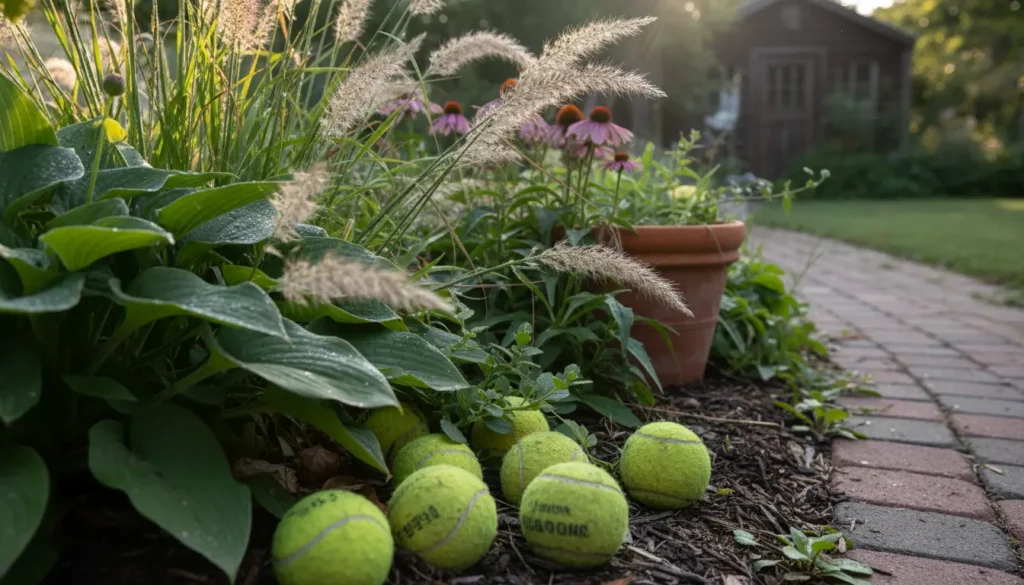
Small actions in a garden can make a big difference during cold months. Keeping a few tennis balls around your garden is a low-cost, low-effort way to reduce risks for birds and hedgehogs.
This article explains practical uses, step-by-step setups, safety checks, and a short real-world example you can copy.
Why tennis balls can help wildlife
Tennis balls are soft, visible, and easy to modify. These simple properties let them serve as protective caps, visual markers, or DIY feeder containers.
When used thoughtfully, tennis balls reduce hazards such as sharp stakes, loose netting, and open pipe entrances that commonly harm garden wildlife in winter.
Tennis balls reduce entanglement and collisions
Garden netting and string used to protect plants often sit near the ground and are hard for animals to see. Birds may fly into stretched netting and hedgehogs can become tangled.
Tie or clip tennis balls at intervals along netting. The balls make the netting more visible and reduce the chance of accidental collisions and entanglement.
Tennis balls as protective caps and plugs
Sharp posts, metal bolts, and open pipe ends are common winter hazards. Cutting a small slit in a tennis ball and popping it onto a stake or post gives a soft cap that reduces injury risk.
Similarly, backing a drain or unused pipe with a clean tennis ball can temporarily block a route that would trap a hedgehog, provided you remove it when needed and keep escape routes open.
Practical ways to use tennis balls in your garden
Below are safe, simple uses you can set up in minutes. Follow the safety checks in the next section before you begin.
- Marker the netting — Attach tennis balls every metre along ground-level netting to increase visibility for birds and mammals.
- Cap posts and stakes — Slice a small cut to fit a ball over metal or wooden posts to reduce puncture injuries.
- Temporary pipe covers — Use a clean ball to seal unused pipe entrances that could trap animals, and label them so you remember to remove them.
- Simple bird feeders — Make a small slit in a clean ball, fill with suet and seeds, and hang it on a sheltered branch for birds to peck at in winter.
- Weigh down net edges — Place balls along the outside edge of bird netting to weigh it down and keep animals from getting beneath loose edges.
Safety checks before you use tennis balls around wildlife
Not all uses are appropriate without precautions. Follow these rules to make sure your tennis ball measures help instead of harm.
- Use clean, chemical-free balls. Old or heavily used balls may carry residues; wash them before use.
- Do not permanently block access routes used by hedgehogs to move between gardens. Wildlife corridors are important.
- Make sure any modifications (cuts, slits) have smooth edges to avoid trapping feet or beaks.
- Check feeders daily for mould or rancid fat and replace contents regularly to avoid illness.
- Label temporary plugs so householders don’t forget to remove them when they are no longer safe.
Step-by-step: Make a simple tennis ball bird feeder
This is a quick, low-waste feeder that suits winter when birds need extra calories.
- Choose a clean tennis ball and wash it with warm water and mild soap. Rinse well and dry.
- Make a small 3–4 cm slit along the side using scissors. Do not cut all the way through.
- Spoon in suet, lard mixed with birdseed, or a commercial fat ball mixture. Pack gently but not tightly.
- Thread string or natural twine through a small hole made near the top and hang it under a sheltered branch or porch roof.
- Monitor regularly. Replace when the mixture gets wet, mouldy, or depleted.
Maintenance tips during winter
Regular checks are essential in cold weather. Inspect peanut-packed balls, caps, and net markers at least once a week.
Remove any tennis ball items that are damaged, chewing shows, or that have become waterlogged. Replace with clean ones to maintain safety.
Hedgehogs can travel up to 2 km a night looking for food. Small garden changes that reduce hazards give them a better chance of surviving winter.
Short case study: Community garden used tennis balls to reduce bird and hedgehog injuries
A small community garden in a suburban area found several incidents of birds hitting low netting and hedgehogs getting tangled at net edges. They launched a low-cost trial last winter.
The team attached tennis balls at one-metre intervals along netting, capped exposed posts with split balls, and hung three ball feeders. They checked items weekly and rotated the positions.
Result: reported bird-netting collisions fell, hedgehog entanglement incidents stopped, and local bird activity at feeding times increased. The garden credited frequent checks and use of only clean balls for the success.
Final considerations for wildlife-friendly gardening
Tennis balls are not a cure-all, but they are a practical tool in a wider wildlife-friendly approach. Combine their use with planting native hedging, providing shallow water dishes, and avoiding slug pellets.
Keep an eye on local wildlife charities for specific regional advice, and adjust any tennis-ball solution if you notice unexpected harm. With simple care and monitoring, tennis balls can be a helpful, inexpensive way to reduce winter hazards for birds and hedgehogs in your garden.