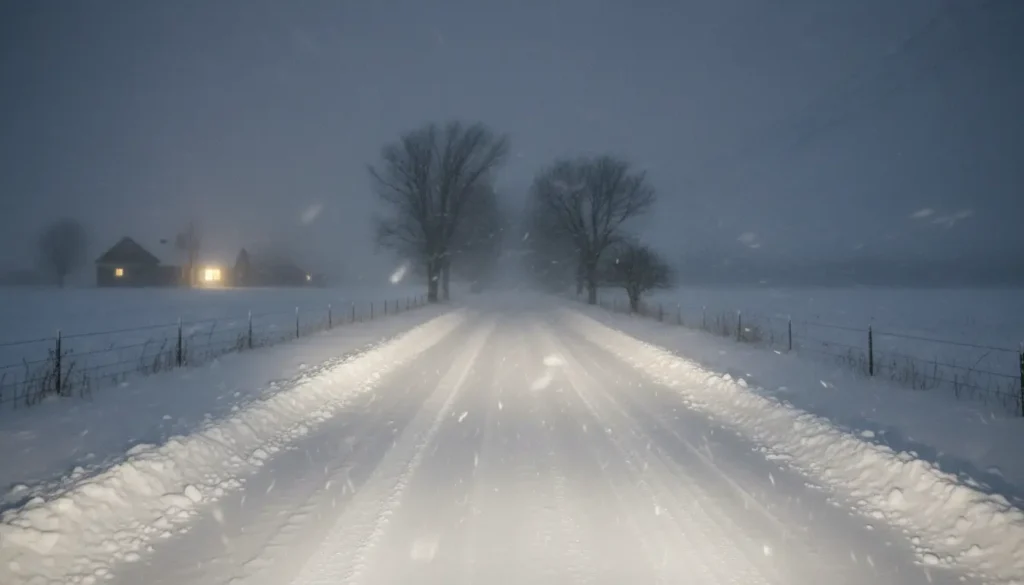
Meteorologists are warning that a severe blizzard will arrive tonight. This article explains the hazards that can isolate households for days and gives concrete steps you can take now to reduce risk.
Why Tonight’s Blizzard Could Trap You for Days
Several factors combine in a single storm to create long-lasting isolation. When heavy snow, high winds, and cold temperatures occur together, road clearing slows, power lines fail, and emergency response is delayed.
Heavy snowfall and drifting

Heavy snow rates (1–3 inches per hour) quickly bury roads and driveways. Persistent winds move that snow into drifts that can exceed vehicle clearance and block rural roads.
Snow drifts are often deeper on the downwind side of buildings and fences, making some homes effectively cut off until plows reach them.
High winds and whiteouts
Blizzard conditions include strong winds that reduce visibility to near zero. Whiteouts make driving impossible and increase crash and stranding risk.
Even short, stalled trips can become dangerous if you must abandon your car in subzero wind chill.
Power outages and heating loss
Wet, heavy snow and falling tree limbs commonly take down power lines. In prolonged outages, furnaces and electric heating systems stop working, which makes indoor temperatures drop quickly.
Without backup heat, hypothermia risk rises for older adults, infants, and people with medical needs.
Blocked roads and overwhelmed services

Municipal plows prioritize primary roads. Suburban and rural lanes may not be cleared for 24–72 hours, and emergency responders can be delayed when calls spike.
Supply chains also slow: grocery resupply and fuel deliveries may not reach stores for several days, limiting access to essentials.
How to Prepare Before Tonight’s Blizzard
Preparation focuses on shelter, warmth, communication, and supplies. Use the checklist below to prioritize what you can do now.
- Stay informed: keep a battery radio or a charged phone and monitor official advisories.
- Top up fuel: fill vehicle tanks and portable heaters if you use propane or kerosene safely.
- Gather emergency supplies: water, nonperishable food, medications, flashlights, batteries, and warm clothing.
- Prepare backup heat: have a safe alternative heat source and working carbon monoxide detectors.
- Protect pipes: shut off exterior faucets, insulate pipes, and know how to shut off home water if necessary.
- Plan travel: cancel nonessential trips and let someone know your route if travel is required.
Essential items for a 72-hour isolation
- At least 1 gallon of water per person per day.
- Three days of medications and a basic first-aid kit.
- Warm blankets, sleeping bags, and layered clothing.
- Nonperishable food that needs no cooking (energy bars, canned goods with a manual can opener).
- Portable phone chargers and backup lighting.
Many people underestimate how quickly heat is lost in a home without power. A typical house can drop from 68°F to below 50°F within 24 hours in severe winter weather if heating is off and windows are not blocked.
If You Get Trapped: What to Do During and After Tonight’s Blizzard
Act calmly and conserve resources. The following steps prioritize safety for you and anyone with you in the building or vehicle.
Staying at home
Stay indoors and seal drafts. Close doors to unused rooms to conserve heat and dress in layers. If you must use a portable heater, ensure ventilation and monitor carbon monoxide detectors.
Ration food and water. Eat high-energy, nonperishable items first, and limit opening doors to reduce heat loss.
If you are stranded in a vehicle
Stay with the vehicle unless you can see a safe shelter within 100 yards. Run the engine for 10 minutes every hour to provide heat, but ensure the exhaust pipe is clear of snow.
Display a visible distress signal, such as a brightly colored cloth in a window. Keep moving your extremities to maintain circulation, and avoid overexertion if shoveling snow.
When to seek help
Call emergency services for life-threatening situations. For noncritical needs, contact local emergency management to report your location. Keep calls brief to preserve phone battery and network capacity.
Real-World Case Study
Case study: Blizzard Jonas, January 2016, East Coast. Many communities experienced heavy snow and high winds that blocked roads and caused widespread outages. Some suburban neighborhoods reported being without cleared access for more than 48 hours, and coordinated local shelters provided warming centers for residents without heat.
Lessons learned included the value of neighborhood coordination, pre-stocking essentials, and using community centers as backup warming and charging sites.
Practical Examples and Quick Tips
- Example: If you have a generator, run it outside and away from windows. Store at least 20 gallons of fuel safely if you expect multi-day outages.
- Tip: Fill bathtubs with water before the storm—this provides water for flushing toilets and basic hygiene if pipes freeze.
- Example: Create a simple checklist on your fridge with phone numbers, medical needs, and the location of emergency supplies.
By understanding the specific hazards of tonight’s blizzard and taking prioritized steps now, you reduce the chance of being trapped and improve comfort and safety if isolation occurs. Act early, stay informed, and check on vulnerable neighbors before conditions worsen.