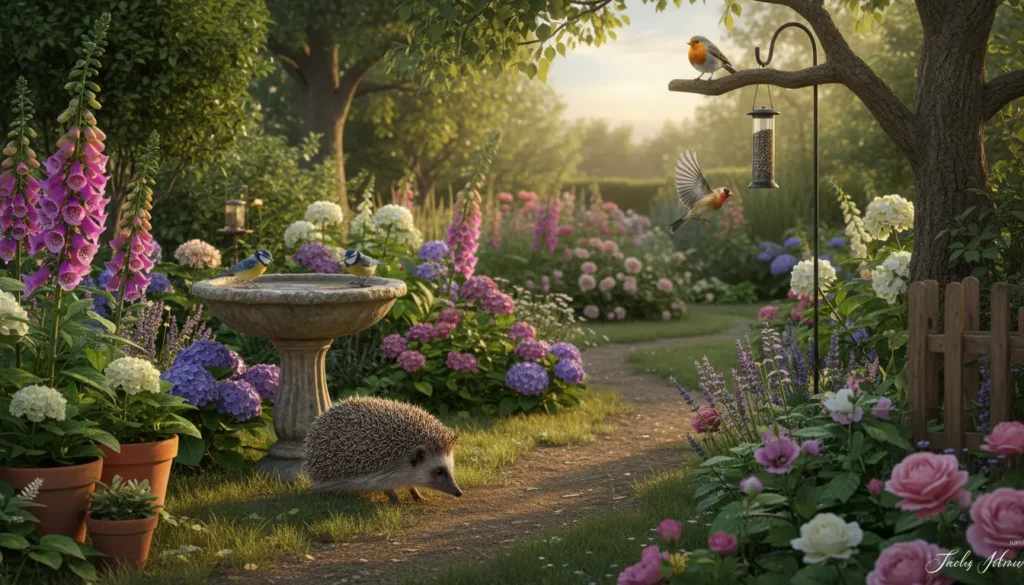
How tennis balls help hedgehogs and birds in a winter garden
Repurposing old tennis balls is an inexpensive, low-effort way to add safe features for wildlife during cold months. When used thoughtfully, tennis balls can provide soft edges, visibility, and durable perches that benefit hedgehogs and a range of garden birds.
This article gives practical, step-by-step guidance on safe uses, maintenance, and monitoring so your efforts truly help local wildlife.
Why tennis balls can be useful for wildlife

Tennis balls are weather-resistant, lightweight, and widely available. These qualities make them handy for small garden projects that reduce injury risk and improve habitat features in winter.
Typical benefits include reduced sharp-edge injury risk at nest entrances, improved visibility of hazards like netting, and easy-to-make perches or feeders that birds may use for short periods.
Key principles before you start
- Prioritize wildlife safety: avoid loose fragments that can be swallowed.
- Clean or quarantine used balls to remove surface dirt and oils.
- Combine tennis balls with natural materials such as dry leaves and straw.
Practical ways to use tennis balls for hedgehogs
Hedgehogs move through gardens at night and can be injured by sharp edges or caught in netting. Tennis balls can help reduce these risks if used correctly.
1. Soft entrance buffers for hedgehog houses

Cut a tennis ball in half and mount the halves around the entrance hole of a hedgehog box to create a soft rim. The thick rubber reduces abrasion when hedgehogs squeeze in and out.
- Use a clean, sharp tool and make a smooth cut to avoid jagged edges.
- Secure halves with outdoor-safe staples or by slotting into a wooden frame so they cannot fall inside.
- Check regularly to ensure pieces have not been chewed or loosened.
2. Visibility markers to prevent entanglement
Attach whole tennis balls to garden netting, low fencing, or corners where hedgehogs might encounter hazardous gaps. The bright color and rounded shape increase visibility for both humans and animals.
- Thread a short stake or dowel through a ball and slot it into the ground beside risky areas.
- Avoid placing balls where they could roll into paths used by hedgehogs at night.
Practical ways to use tennis balls for birds
Birds need safe places to land, perch, and feed in winter when resources are scarce. Tennis balls can be adapted into simple features that attract and help garden birds.
1. Soft landing or perch points

Mount whole or halved tennis balls on the ends of short poles to create soft, visible perches. Small songbirds may use these for a momentary rest between feeder visits, reducing competition pressure on feeders.
2. Simple feeder adaptions
For small seed feeders, a halved ball added beneath a feeder can act as a splash guard and soft platform. Ensure any modification keeps feeders stable and that no small pieces can be dislodged.
Safety checklist for using tennis balls around wildlife
- Do not shred balls into small pieces; avoid loose fragments that birds or hedgehogs could ingest.
- Inspect installations weekly during winter for wear, mould, or displacement.
- Prefer whole or halved balls fixed securely. Do not use glue that contains toxic solvents.
- Use tennis balls only as a complement to natural shelter and food sources, not a replacement.
Materials and step-by-step example
Below is a simple project to make a hedgehog house entrance buffer using one tennis ball and basic tools.
- Materials: one clean tennis ball, sharp utility knife, coarse sandpaper, two small wood screws or staples.
- Steps: Mark the ball’s middle, cut carefully into halves, sand the cut edge smooth, position halves around the box entrance, and secure each half so it cannot fall inward.
- Maintenance: Check monthly; remove any sharp fragments and replace if broken or softened by weather.
Small case study: a suburban garden trial
A suburban wildlife group ran a short winter trial using tennis-ball entrance buffers on three hedgehog boxes and several visibility markers on garden netting. Over eight weeks volunteers recorded fewer signs of scraping at box entries and no incidents of entanglement near marked nets.
Bird activity at modified perches increased briefly around feeders, suggesting birds used the new perches between visits. The group emphasised routine checks and removed one ball after it softened from wet conditions.
Lessons learned: simple, secure fixes can reduce risk but need regular inspection and should not replace natural habitat management.
Alternatives and complementary measures
Alongside tennis-ball projects, maintain leaf piles, leave log refuges, and provide safe water sources. These natural measures give hedgehogs and birds improved shelter and foraging options through winter.
Final tips for a wildlife-friendly winter garden
- Combine small DIY fixes like tennis-ball buffers with natural habitat improvements.
- Monitor and document any wildlife interactions to learn what works in your garden.
- Share findings with local wildlife groups so successful ideas can be improved and copied safely.
Repurposing tennis balls is a low-cost, practical addition to a wider winter-garden plan. Used with care and regular checks, they can reduce injury risk and add useful features for both hedgehogs and birds.



