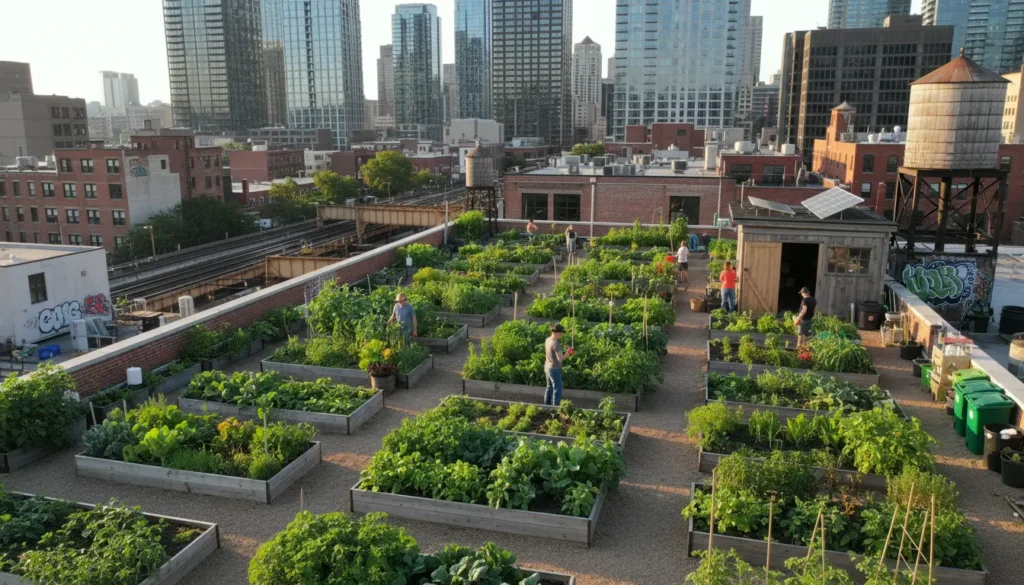
Start Here: What Is Organic Vegetable Gardening
Organic vegetable gardening focuses on growing food without synthetic fertilizers, pesticides, or genetically modified seeds. It relies on natural soil health, compost, and integrated pest management to produce healthy plants.
This guide gives clear steps and practical tips so beginners can plan, plant, and maintain a productive organic vegetable garden.
Plan Your Organic Vegetable Garden

Planning saves time and reduces mistakes. Choose a site with at least six hours of sunlight, good drainage, and easy access to water.
Decide between in-ground beds, raised beds, or containers based on space and soil quality.
Choose Your Plants
Select vegetables suited to your climate and season. Start with easy crops that give quick results.
- Cool-season: lettuce, spinach, radishes, peas
- Warm-season: tomatoes, peppers, cucumbers, squash
- Herbs: basil, parsley, chives
Layout and Spacing

Use spacing guidelines on seed packets to avoid crowding. Consider companion planting to maximize space and reduce pests.
- Interplant fast growers (radishes) with slower crops (carrots)
- Use trellises for vining plants to save ground space
Build Healthy Soil for Organic Vegetable Gardening
Soil is the foundation of organic gardening. Test your soil pH and nutrient levels with a simple home kit or lab test.
Improve soil health by adding organic matter and encouraging soil life like earthworms and beneficial microbes.
Soil Amendments
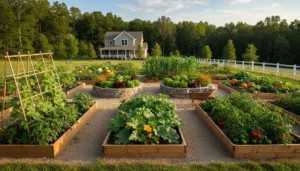
Add compost, well-rotted manure, and leaf mold to increase organic matter. Aim for 2–4 inches of compost on top of beds each season.
- Compost: supplies nutrients and improves structure
- Mulch: conserves moisture and suppresses weeds
- Cover crops: fix nitrogen and prevent erosion in off-seasons
Watering and Feeding in Organic Vegetable Gardening
Consistent watering matters more than frequent shallow watering. Water deeply to encourage strong root systems.
Feed plants with organic fertilizers based on crop needs and soil test results.
Practical Watering Tips
- Water early morning to reduce evaporation and disease
- Use drip irrigation or soaker hoses for efficient delivery
- Mulch to retain soil moisture and regulate temperature
Organic Fertilizer Options
- Compost tea for gentle nutrient boost
- Fish emulsion or kelp for quick nitrogen and trace elements
- Bone meal or rock phosphate for phosphorus when needed
Pest and Disease Management Without Chemicals
Prevention and observation are the best tools in organic pest control. Healthy plants resist pests and diseases better than stressed ones.
Integrated Pest Management Steps
- Inspect plants regularly to catch problems early
- Remove affected leaves and dispose of them away from the garden
- Use row covers for seedlings to block pests
- Encourage beneficial insects like ladybugs and lacewings
For outbreaks, use targeted organic treatments like insecticidal soaps or neem oil, following label directions and applying only when necessary.
Harvesting and Crop Rotation
Harvest vegetables at peak ripeness to enjoy best flavor and to encourage continued production. Regular harvesting prevents waste and disease.
Rotate plant families each season to reduce disease and pest buildup in the soil.
Simple Rotation Plan
- Year 1: Legumes (peas, beans)
- Year 2: Leafy greens
- Year 3: Fruiting crops (tomatoes, peppers)
- Year 4: Root crops (carrots, beets)
Adding just 2% organic matter to sandy soil can significantly improve its water retention and nutrient-holding capacity. Small, consistent additions of compost make a big difference over time.
Small Case Study: A Balcony Organic Vegetable Garden
Maria had a 3 x 4 foot balcony and started with two 18-inch deep raised containers. She chose determinate tomatoes, leaf lettuce, and basil.
By using potting mix amended with compost, watering with a drip bottle twice a day, and rotating crops, she harvested:
- 8–10 ripe tomatoes per plant over the season
- Weekly harvests of salad greens for three months
- Fresh basil every two weeks
Her lessons: choose compact varieties, monitor watering closely, and use vertical supports to save space.
Quick Checklist to Start Your Organic Vegetable Garden
- Choose a sunny site with access to water
- Test and amend the soil with compost
- Select easy crops for your climate and season
- Install efficient watering (drip or soaker)
- Use mulch, rotate crops, and monitor for pests
Final Tips for Ongoing Success
Keep a simple garden journal with planting dates, varieties, and problems observed. This record helps improve results year to year.
Start small, learn from one season, and expand gradually. Consistency and attention to soil health deliver the best long-term results for organic vegetable gardening.



