Why scatter tennis balls in your garden can help wildlife
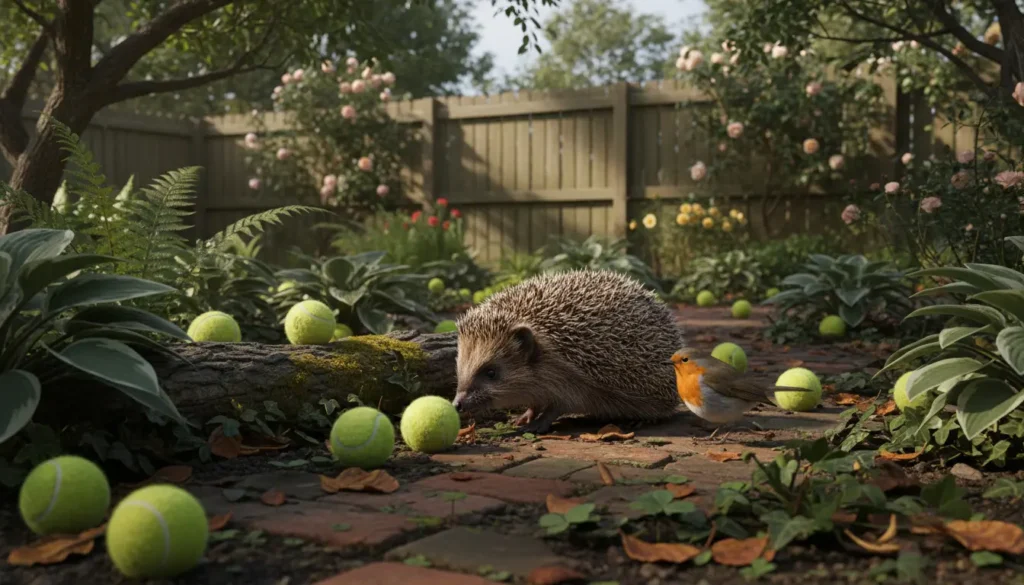
Scattering clean, used tennis balls around a garden is a low-cost, low-effort way to create small shaded, damp patches. Those microhabitats can attract invertebrates like worms and beetles, which are food for birds and hedgehogs.
This approach is not a substitute for purpose-built shelters or native planting, but it is an easy experiment for gardeners who want to boost foraging opportunities. The idea relies on creating tiny dark spaces that retain moisture and shelter small creatures.
How Scatter Tennis Balls in Your Garden Attracts Insects and Foragers

When you place tennis balls on soil, grass, or leaf litter they block direct sun and reduce evaporation locally. Moist soil and shaded spots are preferred by many invertebrates.
Birds like robins, thrushes, and blackbirds search lawns and borders for worms and beetles. Hedgehogs, mainly nocturnal, forage in similar spots for slugs, worms, and other invertebrates.
What actually happens under the balls
- Moisture collects and stays longer than on exposed ground.
- Temperature fluctuations are reduced, helping some insects and larvae.
- Small dark spaces become hiding or feeding spots for invertebrates.
How to Scatter Tennis Balls in Your Garden Safely
Safety and regular checking are essential. Tennis balls are non-toxic when clean, but they can create hazards if left unchecked or if they break apart.
Follow these simple steps to reduce risks to wildlife and pets.
Step-by-step setup
- Use only clean, used tennis balls with no exposed foam or broken pieces.
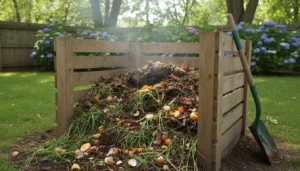
- Place balls in shady, damp areas like under hedges, near compost heaps, or beside garden borders.
- Scatter 10–20 balls in a medium-size garden and leave them for a few weeks to observe any change.
- Lift and inspect balls weekly to ensure animals are not trapped and to check for wear.
- Rotate or reposition balls after 2–3 weeks to refresh microhabitats and avoid mold buildup.
Best locations when you Scatter Tennis Balls in Your Garden
Placement matters. Choose spots where insects already gather, and avoid exposed, hot areas where balls will degrade quickly.
- Under hedges and shrub bases where shade and leaf litter are present.
- Along fence lines and next to compost bins where soil stays damp.
- Edge of vegetable beds and beneath low shrubs where birds frequently forage.
What to avoid
Do not place balls in deep ponds, inside enclosed tubes, or in narrow gaps where small mammals could get trapped. Avoid balls with foam exposed or torn seams.

If you have pets that chew, keep balls out of reach or use designated garden zones to prevent ingestion hazards.
Hedgehogs and many garden birds rely on damp leaf litter and compost to find invertebrates. Creating small shady spots helps keep that food available, especially in dry conditions.
Monitoring results and alternatives
Keep a simple log of visitor sightings. Note birds you see foraging near scattered balls and any hedgehog tracks or droppings in the evening. A wildlife camera or regular evening checks can help.
If the tennis-ball method is not producing results, try other microhabitat options that are proven to help wildlife.
- Log piles and deadwood provide long-term insect habitat.
- Leaf litter heaps or compost corners hold moisture and food.
- Purpose-built hedgehog houses offer shelter and safe nesting sites.
Small case study: suburban garden experiment
In a medium-sized suburban garden, a gardener placed 15 clean used tennis balls along a border and beside the compost heap in early spring. The balls were checked weekly and moved after three weeks.
Over two months the gardener recorded more robin and blackbird foraging during daylight and found hedgehog droppings beside the compost in two nights. While this is anecdotal, it suggests that small shady patches can concentrate prey items and increase foraging activity.
Practical tips and troubleshooting
Use these practical tips to get the best, safest results when you scatter tennis balls in your garden.
- Clean balls with mild soap and water before first use to remove residues.
- Replace worn-out balls to avoid small fragments entering the soil.
- Keep a mix of microhabitat options—balls are a short-term, experimental tool, not a replacement for native plants or structural habitats.
- Record observations to learn what works in your garden microclimate.
Scattering tennis balls is an inexpensive, reversible experiment that can boost small-scale biodiversity and help you observe garden wildlife. When combined with safe habitat practices, it can be a useful part of a wildlife-friendly gardening approach.