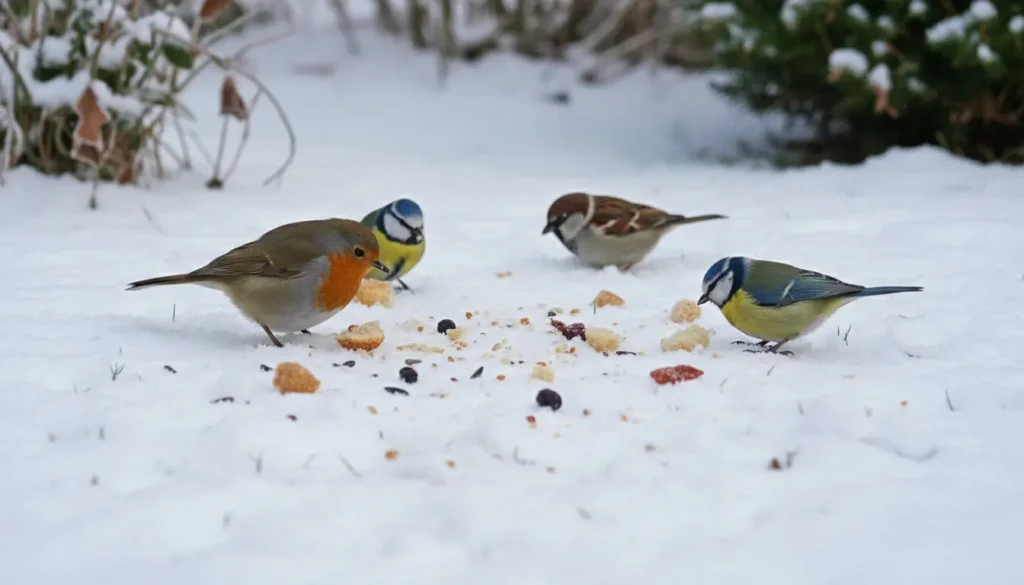
How scattering bread crumbs helps wildlife during winter
Winter is a time when natural food sources shrink and small animals struggle to meet their energy needs. Scattering bread crumbs in a garden can supply quick calories to birds and small mammals that are active through cold snaps.
This practice is not a cure-all, but when done correctly it can make the difference between finding enough energy day-to-day and failing to survive an extreme cold period. The rest of this guide explains practical steps, best practices, and safety concerns.
Which wildlife benefit from scattering bread crumbs

Many common garden species will take advantage of scattered crumbs. Typical beneficiaries include small songbirds, such as sparrows and chickadees, as well as ground-feeding birds like doves and thrushes. Small mammals such as mice, voles, and hedgehogs (in regions where present) may also use crumbs as supplemental food.
When and where to scatter bread crumbs in your garden
Timing and position matter. Scatter crumbs in the morning so animals can find calories before a cold night. Place crumbs near natural cover like hedges, brush piles, or under shrubs so animals can feed safely out of direct sight of predators.
Avoid open lawn centers and areas close to roads or heavy foot traffic. Choose spots that are visible from your window if you want to monitor wildlife without disturbing them.
Best practices for scattering bread crumbs to protect wildlife

Follow these simple rules to make your crumbs helpful and reduce harm. Small adjustments make feeding safer and more nutritious for animals that rely on your garden in winter.
What types of bread and food to use
Use plain, dry, stale bread in small amounts. Fresh bread can mold quickly, and moldy bread is harmful. Better options include:
- Crushed oats or porridge—higher in nutrients than white bread.
- Unsalted seeds and seed mixes—sunflower, millet, and nyjer are excellent winter energy sources.
- Crushed nuts (unsalted) and dried fruit—offer high calorie value in very small portions.
Mixing a few crumbs with seeds or oats improves the nutritional value of what you offer.
How much to scatter and how often

Keep portions small and spread out. Scatter a pinch-sized amount to several small spots rather than dumping a large pile in one place. This reduces competition, litter, and the chance of attracting pests.
Feed only during harsh conditions—prolonged deep freeze, heavy snow, or when natural food is buried. Frequent feeding can create dependency; aim to supplement, not replace, natural foraging.
Practical steps: a simple routine for safe feeding
Follow this step-by-step routine when you plan to scatter crumbs in winter:
- Choose dry, plain or mixed nutritious scraps (stale bread mixed with oats/seeds).
- Break or crush into small pieces that match the size of local birds’ bills.
- Scatter small pinches in multiple sheltered spots near cover.
- Monitor the area for mold, pests, or leftover piles and remove anything spoiled.
- Limit feeding to cold snaps or persistent snow cover.
Risks and sensible alternatives to scattered bread crumbs
While scattering crumbs can help, there are real risks you should manage. Moldy bread can cause illness, and large piles can attract rats, pigeons, or other pests. Overfeeding in one spot can change wildlife behavior and increase predation.
Consider these safer alternatives and complements:
- Use seed feeders filled with oil-rich seeds to offer sustained, cleaner nutrition.
- Scatter small amounts of cracked corn or mixed grain rather than plain white bread.
- Provide fresh water in a shallow dish and keep it from freezing when possible—hydration is as important as calories in winter.
Monitoring and hygiene
Check feeding spots daily when weather is harsh. Remove any wet, spoiled, or moldy food. Clean bowls and feeders regularly to reduce disease risk among visiting animals.
Real-world example: A community garden cold-snap response
In a small community garden in a northern town, volunteers began a voluntary winter feeding rotation during a week-long cold snap. They mixed small amounts of stale bread with rolled oats and scattered it at three sheltered locations near hedgerows each morning.
Gardeners observed increased visits by chickadees and sparrows and fewer sightings of weaker birds sitting motionless. They monitored for pests and discontinued feeding when the cold snap ended. The project was informal, but gardeners credited the small, targeted feedings with helping local songbirds maintain energy during harsh nights.
Final checklist before you scatter bread crumbs this winter
- Use small, dry portions and mix with more nutritious items.
- Scatter in sheltered spots and avoid heavy concentrations.
- Feed only during true hardship and stop when natural sources recover.
- Monitor for mold and pests; clean up spoiled food quickly.
- Consider alternatives like seed feeders or fresh water.
Scattering bread crumbs is a simple, low-cost way to support wildlife during harsh winter conditions when done thoughtfully. With attention to portion size, food quality, and placement, gardeners can offer meaningful help without creating problems for animals or neighbors.



