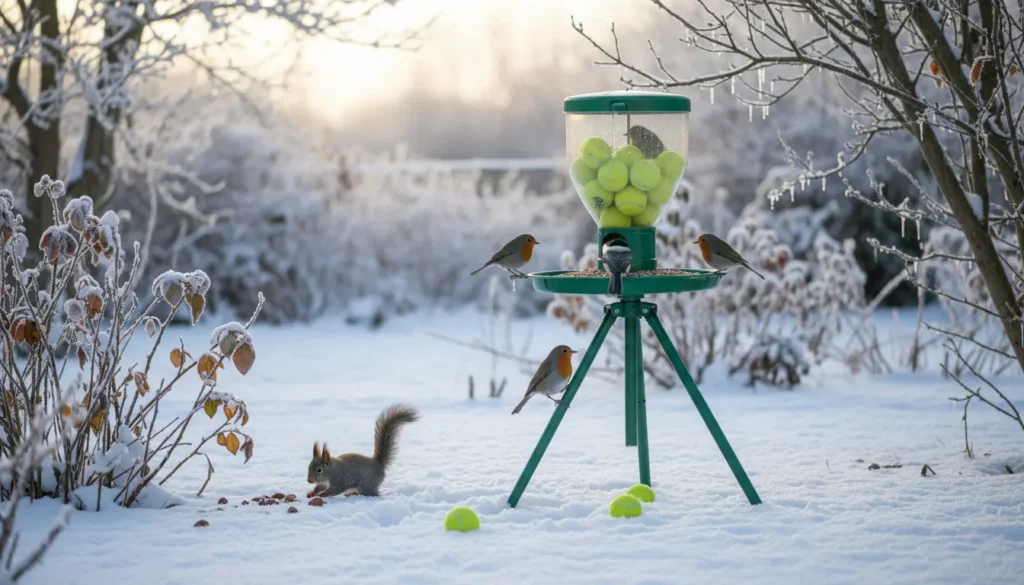
In cold months many small animals struggle to find food and shelter. Gardeners have adapted a low-cost, low-effort method using tennis balls to provide short-term feeding sites and tiny shelters. The trick is easy to set up and can make a real difference in guiding birds, squirrels, and small mammals to safer, more consistent food sources.
How the Tennis Ball Trick Helps Winter Wildlife
The tennis ball trick uses hollowed or modified tennis balls as dispensers or micro-shelters. When filled with suet, seed, or fat-based treats and hung in sheltered spots, these bright, durable containers attract wild birds and small mammals.

Two main benefits are reliable, small-portioned feeding and protection from wet snow. The tennis ball’s shape limits how much is exposed to weather while offering easy access for wildlife.
Why gardeners use the tennis ball trick
- Affordable and reusable—tennis balls are cheap and long-lasting.
- Portable—easy to move as conditions change.
- Small servings—reduces waste and limits visits from larger, dominant animals.
- Low disturbance—can be hung in quiet corners, near hedges, or under eaves.
Materials for the Tennis Ball Trick
Gather a few simple items before you start. Most can be found at home or a local hardware store.
- Old tennis balls (2–6 depending on your garden size)
- Sharp knife or heavy scissors
- Strong twine or thin wire
- Suet, peanut butter, or mixed seed
- Protective gloves and safety glasses
Safety note
Cutting tennis balls requires care—use a stable surface and cut away from your body. Protect hands and eyes. Keep tools away from children and pets.
Step-by-Step: Setting Up the Tennis Ball Trick in Your Garden

Follow these straightforward steps to make a basic tennis ball feeder suitable for winter wildlife.
- Clean the ball: Wash an old tennis ball and let it dry. Removing loose fibers helps the food stick better.
- Make an opening: Cut a small slit (2–3 cm) lengthwise or a circular hole. The opening should allow birds to access the food but keep most of the interior covered.
- Create a hanger: Thread twine or wire through the ball or wrap securely around it to form a loop for hanging.
- Fill with food: Pack suet, peanut butter (no xylitol), or a seed-suete mix inside the ball.
- Hang in place: Choose a sheltered spot 1–2 meters off the ground near shrubs, under eaves, or on a tree branch protected from prevailing wind.
Placement tips for winter wildlife
- Keep feeders within sightlines so birds feel safe approaching.
- Avoid placing directly over walkways to prevent soiled ground below.
- Rotate positions to reduce buildup of droppings and disease risk.
Small, enclosed feeders like modified tennis balls help conserve suet and fat-based foods during wet weather by protecting most of the treat from snow and rain.
What to Feed and What to Avoid
Choose calorie-dense foods that sustain animals in cold temperatures. Suet and peanuts offer high energy per bite, while mixed seed provides longer feeding time.
- Good: suet blocks, peanut butter (plain), black oil sunflower seeds, suet-seed mixes.
- Avoid: salted or flavored nuts, processed human snacks, any food containing xylitol or chocolate.
Hygiene and wildlife safety

Replace soiled food and clean balls periodically to reduce disease risk. If you see sick birds, stop feeding and contact a local wildlife rehabilitator for advice.
Troubleshooting and Seasonal Adjustments
Not every setup works the first time. If wildlife ignores your tennis ball feeders, try moving them or changing the food type.
- If birds peck but don’t feed, enlarge the opening slightly.
- If squirrels dominate, raise feeders higher or use baffles on supporting branches.
- In heavy snow, move balls under eaves or dense shrubs for better protection.
Long-term use and recycling
Replace tennis balls when cracked or heavily chewed. Old balls can be recycled into plant ties, pot cushioning, or sandbox toys once cleaned.
Case Study: A Small Garden That Helped Local Birds
In a suburban backyard in Vermont, a gardener set up six tennis ball feeders across two hedges in late November. The feeder mix was suet and sunflower chips, rotated weekly.
Within ten days, chickadees and titmice began visiting daily. The gardener recorded more consistent visits through January compared to a nearby yard using open feeders. The enclosed design reduced snow-soaked suet and limited visits from larger birds, keeping supplies available longer.
Final Practical Tips for Helping Winter Wildlife Thrive
Start small and observe. Adjust food types, hole size, and placement based on which species visit your garden. Keep safety and hygiene in mind to support healthy wildlife populations.
The tennis ball trick is an affordable, adaptable way to provide calories and partial shelter during cold months. With a few simple materials and regular maintenance, gardeners can help local birds and small mammals thrive through winter.



